Date
5.20.2026 - 5.20.2026
Location
,

AIND-UW CNC Hackacollabathon

Description

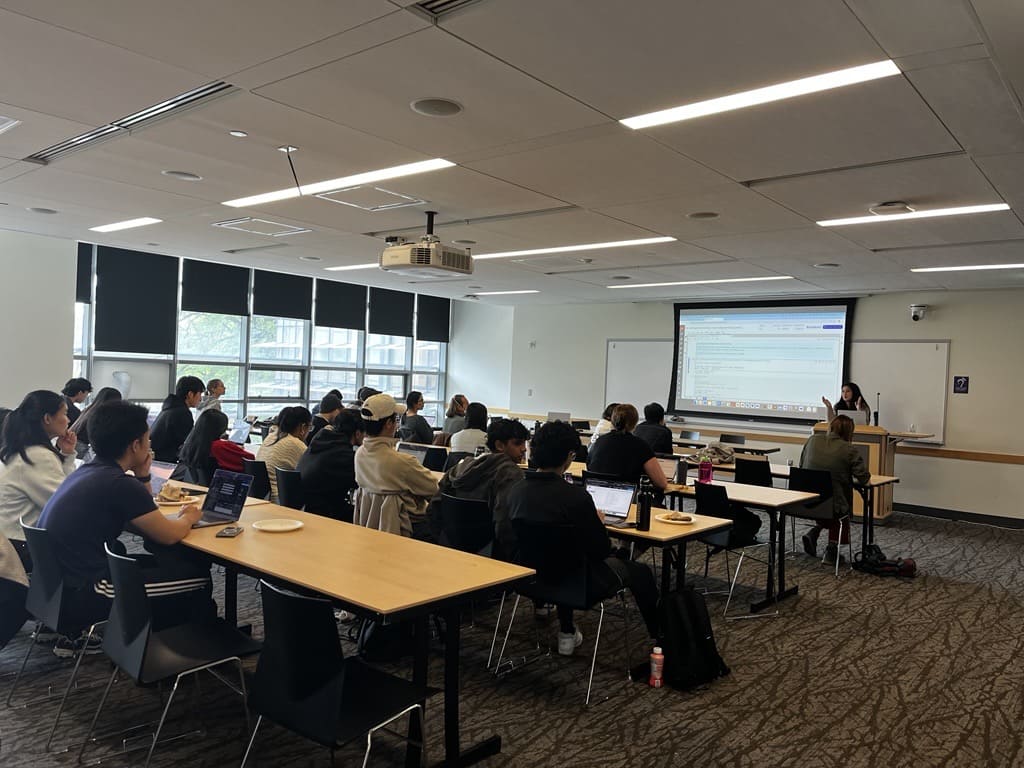
We are excited to announce the next Hackacollabathon, co-hosted by the Allen Institute / Neural Dynamics (AIND) and the UW Computational Neuroscience Center (CNC). This event brings together researchers from the Allen Institute and UW to collaboratively explore new datasets collected in Neural Dynamics.

The event will feature work from the Dynamic Routing project. The team has been conducting large-scale, brain-wide Neuropixels recordings in mice performing a sensory switching task in which animals flexibly attend to either auditory or visual stimuli to receive rewards. This dataset gives insight into how information is processed across the brain during flexible, goal-directed behavior. Read more about the project here.

Event format:

  • Short science talks from the Dynamic Routing team
  • Hands-on tutorial introducing the dataset and analysis tools
  • Open hacking time to explore the data individually or in small groups

We will provide access to the data and code through Code Ocean – registration is free but required. Lunch will also be provided! Please join us if you are interested in analyzing large-scale, neural datasets in a collaborative environment. Python experience expected (NumPy, SciPy, matplotlib, pandas).  

For questions, contact Su-YeeLee (suyee.lee@alleninstitute.org) or Saskia de Vries (saskiad@alleninstitute.org).

Platforms accelerate our work

Mesoscale Anatomy

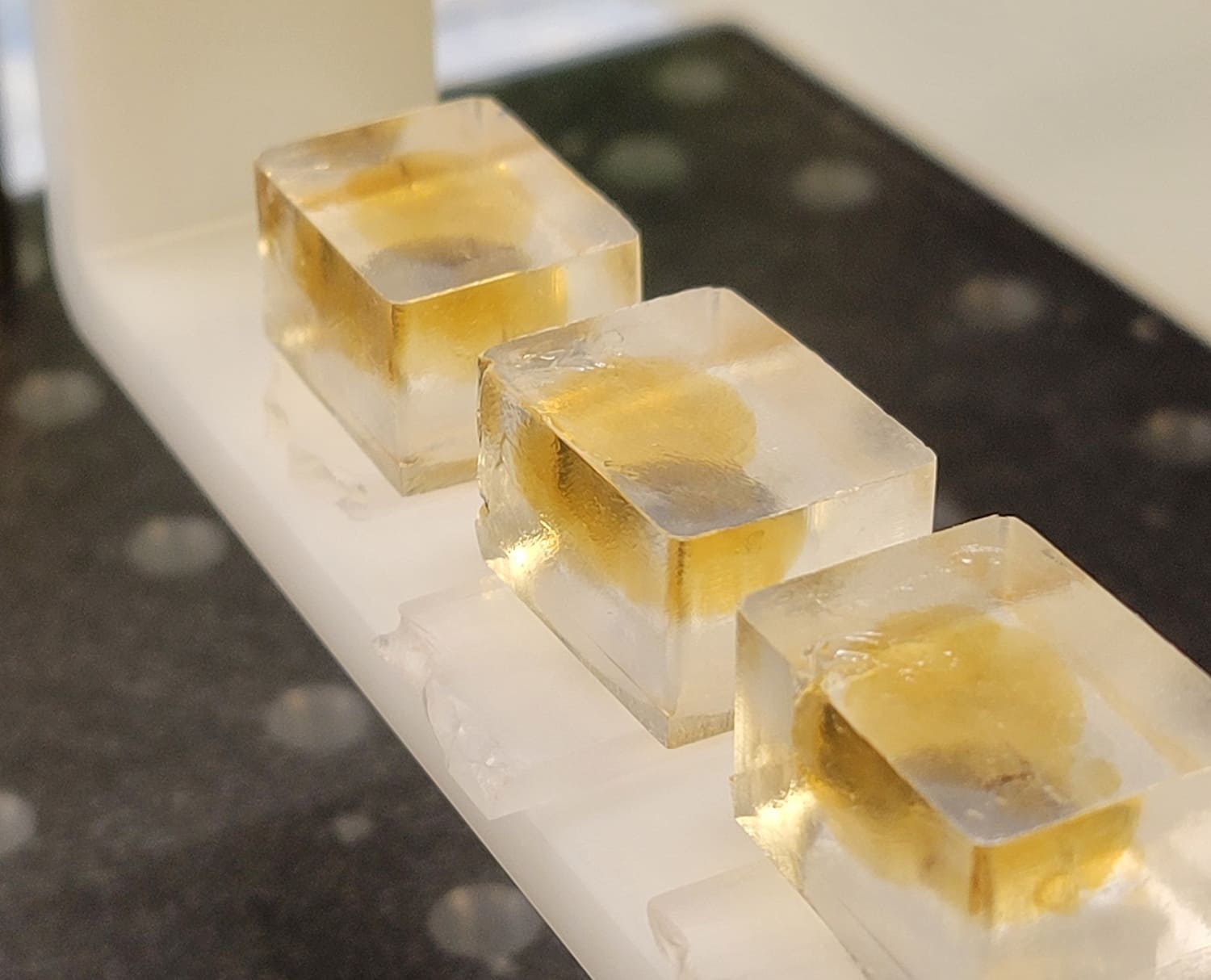
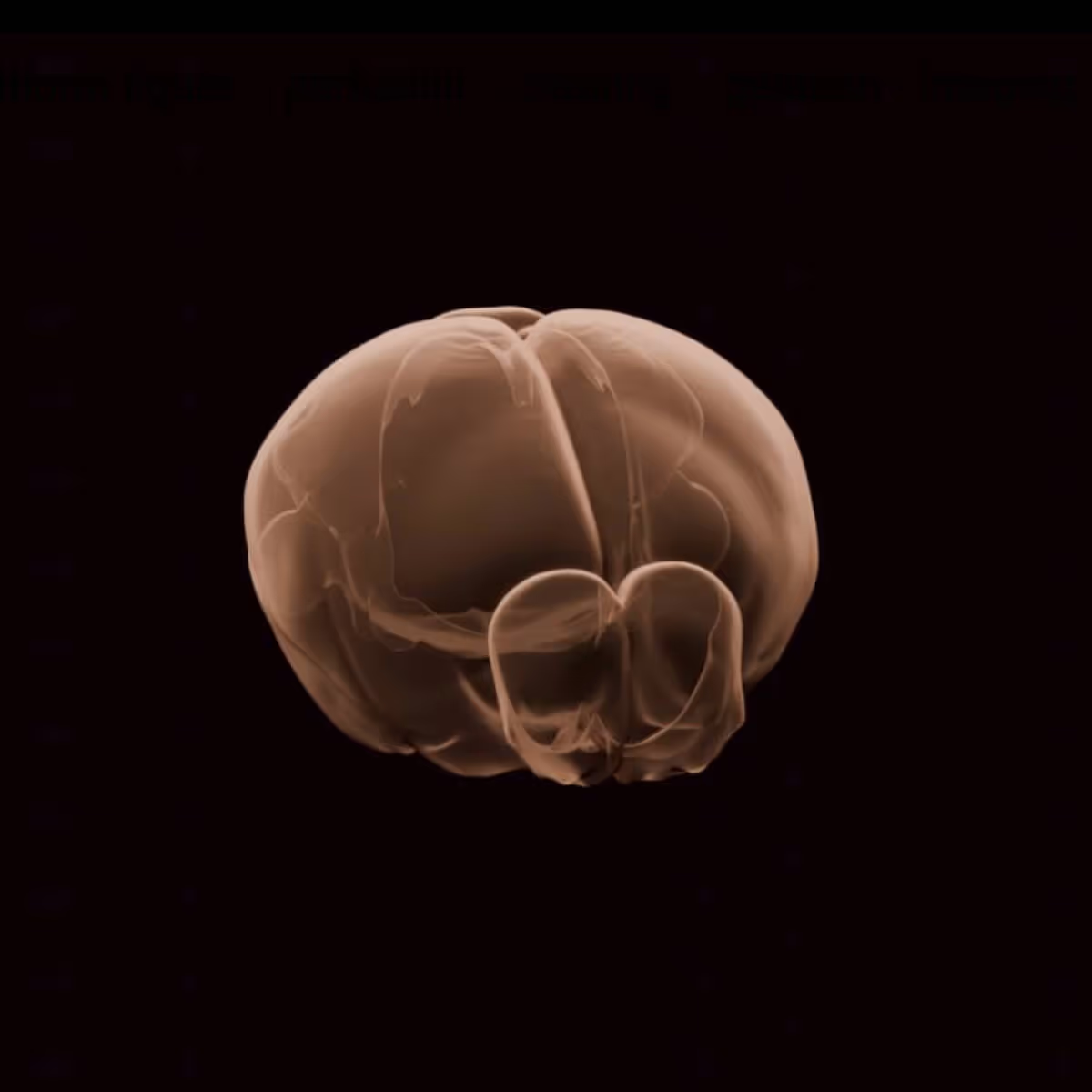
This platform builds on turn-key lightsheet microscopes to image mouse brains at high resolution and throughput. Analysis of the resulting volumetric images, including registration to standard brain coordinates and segmentation and counting of individual neurons, is fully automated.

SLAP2

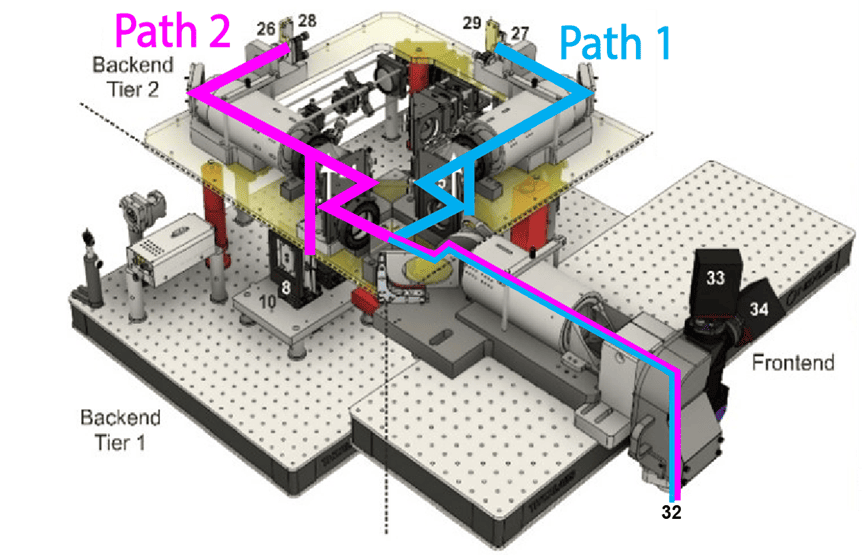
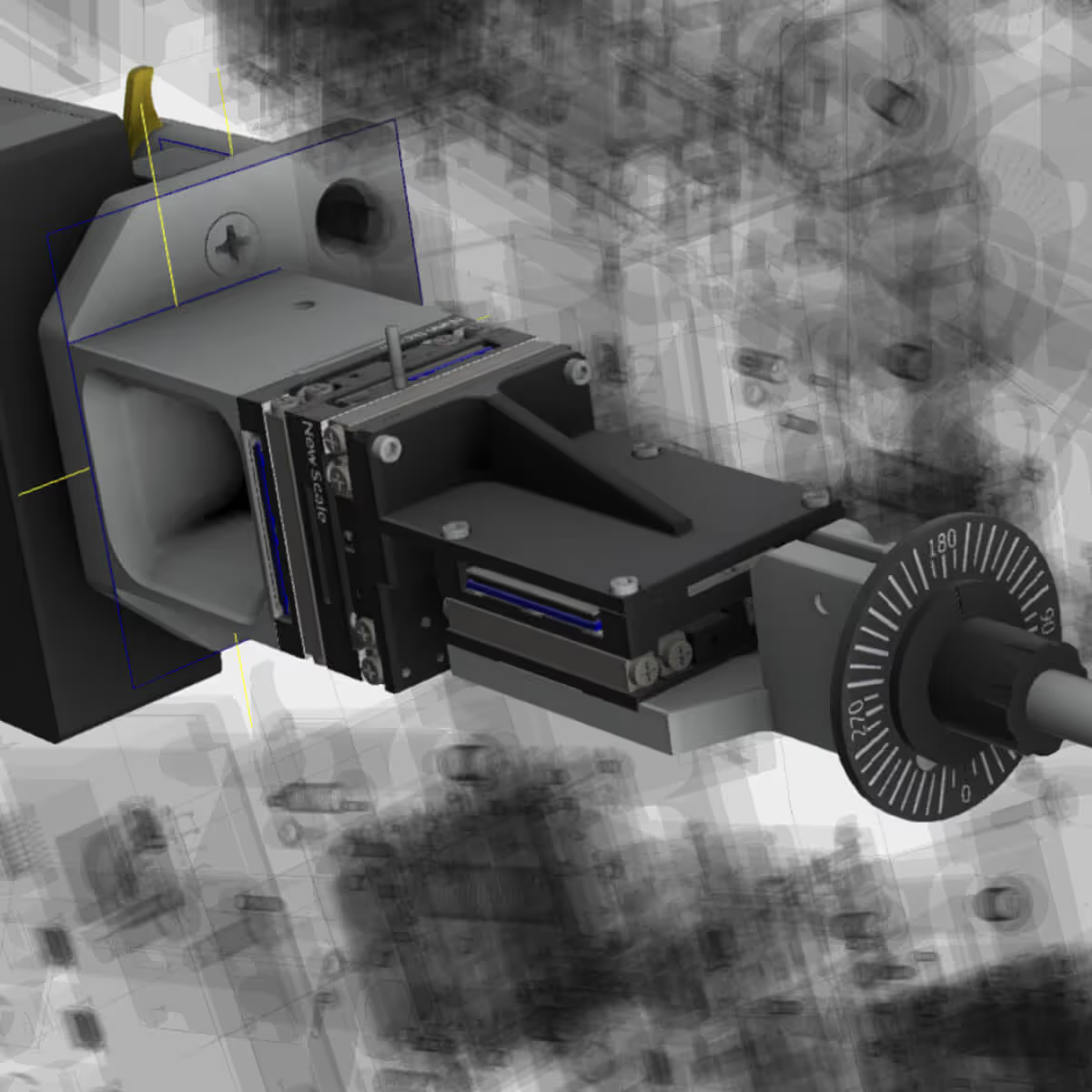
This platform uses a two-photon microscope SLAP2 that records patterns of synaptic input and output in individual neurons at hundreds to thousands of frames per second in mice performing complex behaviors, using a flexible scan system that combines a digital micromirror device (DMD) with a high-speed scanner.

Scientific Instrumentation & Process Engineering

The Scientific Instrumentation and Process Engineering (SIPE) team is a shared engineering resource within the Allen Institute, focused on enabling and scaling cutting-edge bioscience through integrated hardware and software systems.

Surgery

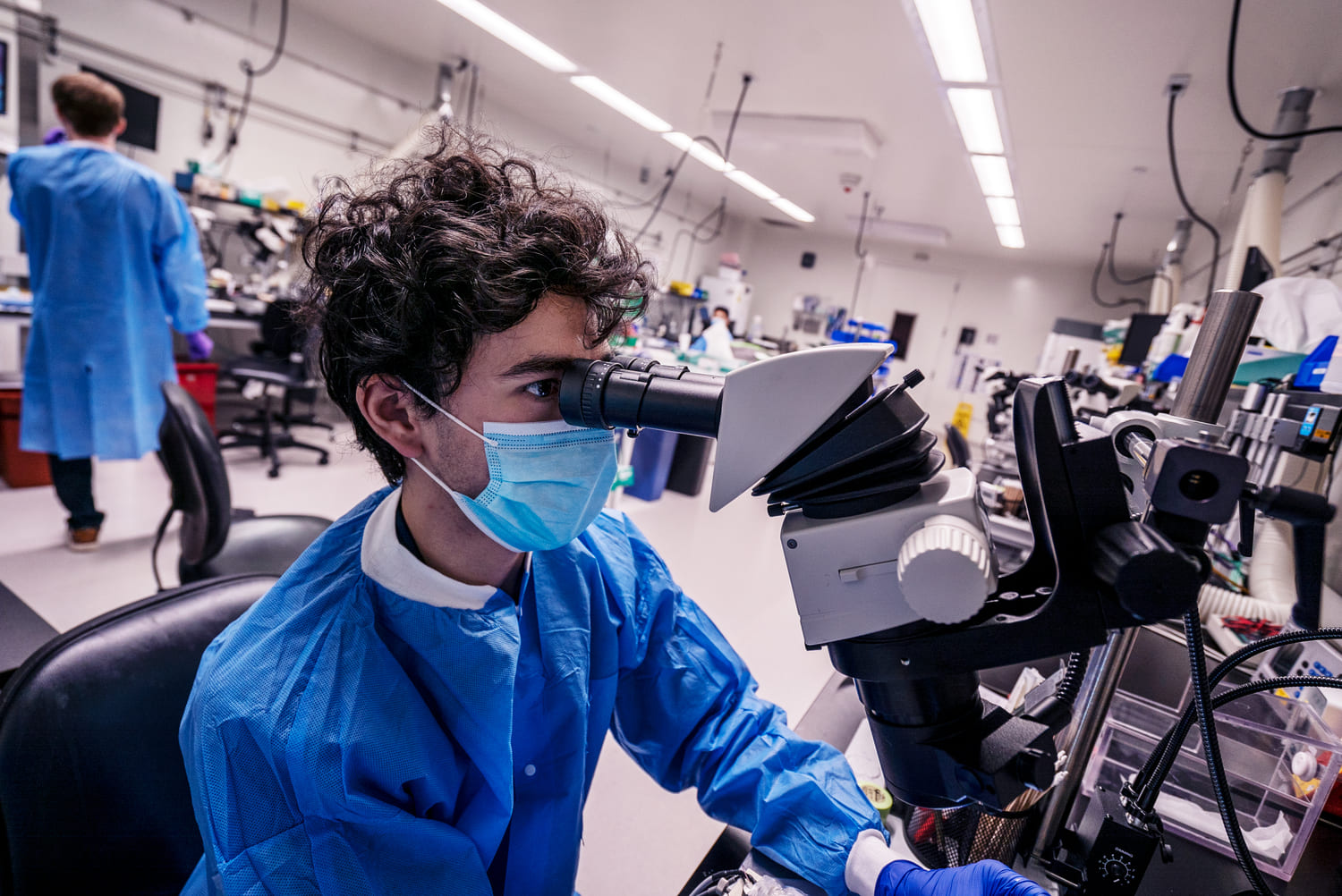
This team performs a variety of surgical procedures, including stereotaxic injections and implanting chronic cranial windows and Neuropixels probes.

Multi-Neuropixels Electrophysiology

This platform implements pioneering technology for highly reproducible, targeted, brain-wide, cell-type-specific electrophysiology to record neural activity from defined neuron types across the brain. Analysis and quality control of the electrophysiology data are fully automated.

Brain-Wide Anatomy at Synaptic Resolution

This platform combines innovative histology, ExA-SPIM microscopy, image handling, and machine learning to map the morphology and molecular identity of individual neurons across the whole brain at high throughput.

Fiber Photometry

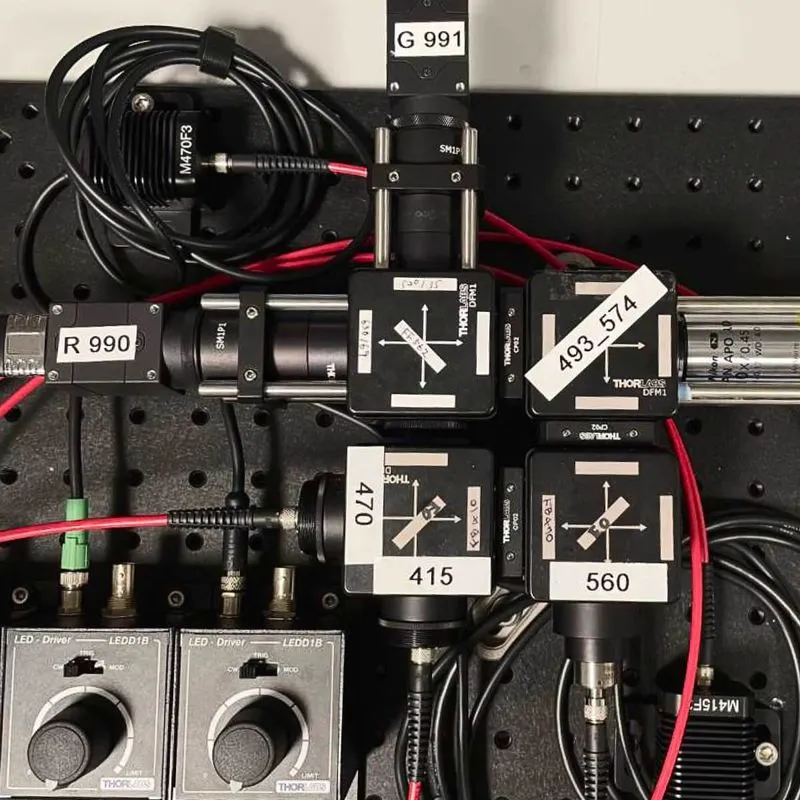
This platform enables optical measurement of neural activity and neurotransmitter release in populations of neurons to study neural circuit dynamics in behaving animals.

Behavior

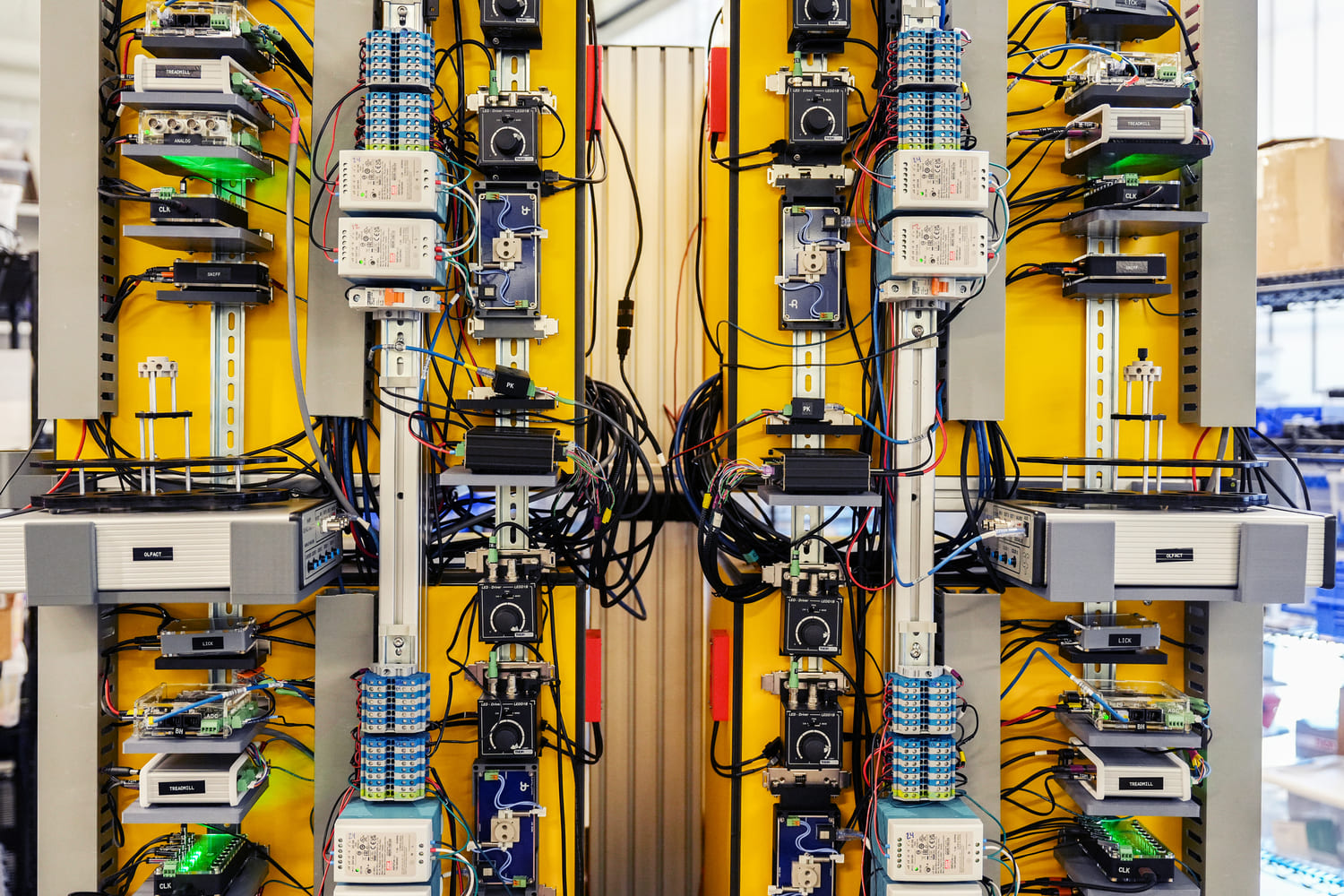
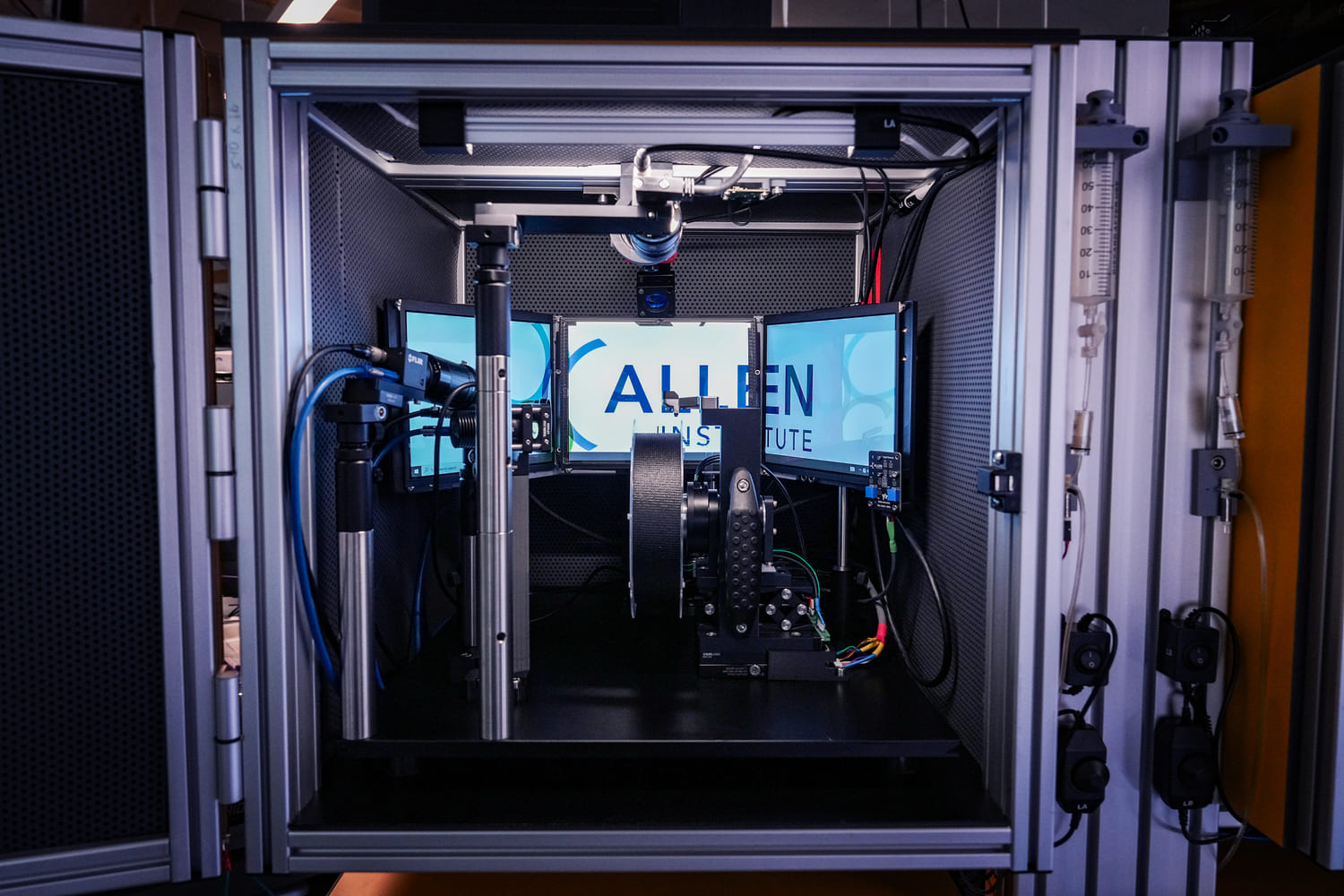
The Behavior platform uses advanced technology to implement a standardized, modular, multi-task virtual reality gymnasium for mice, with the goal to study brain function across different behaviors at scale.