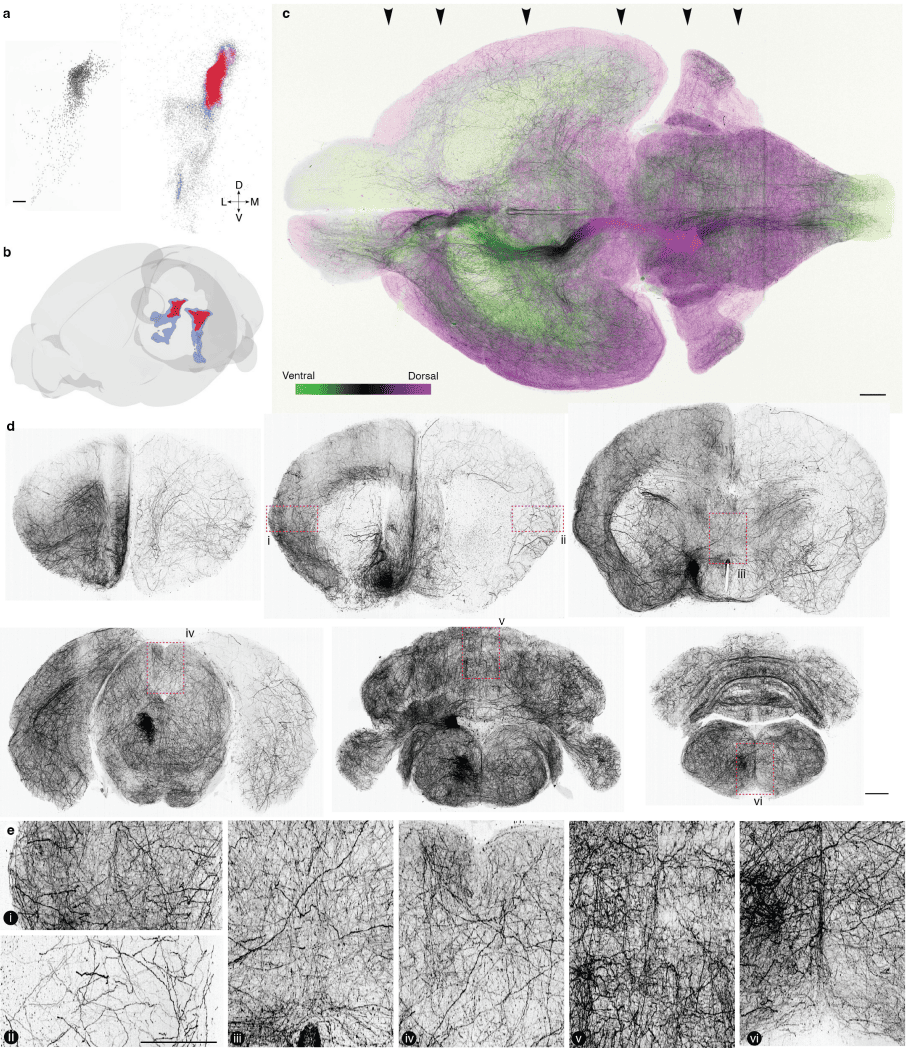
We identified a relationship between the morphologies, gene expression and activity of noradrenergic neurons in locus coeruleus in mice. Axonal projections of individual neurons were extensive but largely confined to subsets of brain regions. Axonal projections and graded gene expression correlated with locations of cell bodies in locus coeruleus. In a behavioural task requiring continuous learning from actions, dorsal locus coeruleus neurons projecting to isocortex were activated when mice switched choices and by reward-prediction-error signals that drive learning. Background activity of neurons in ventral locus coeruleus was higher when mice ignored stimuli indicating potential reward availability. These observations reveal a topographically organized structure and function of a neurotransmitter system and show that it contains learning signals for flexible behaviour.
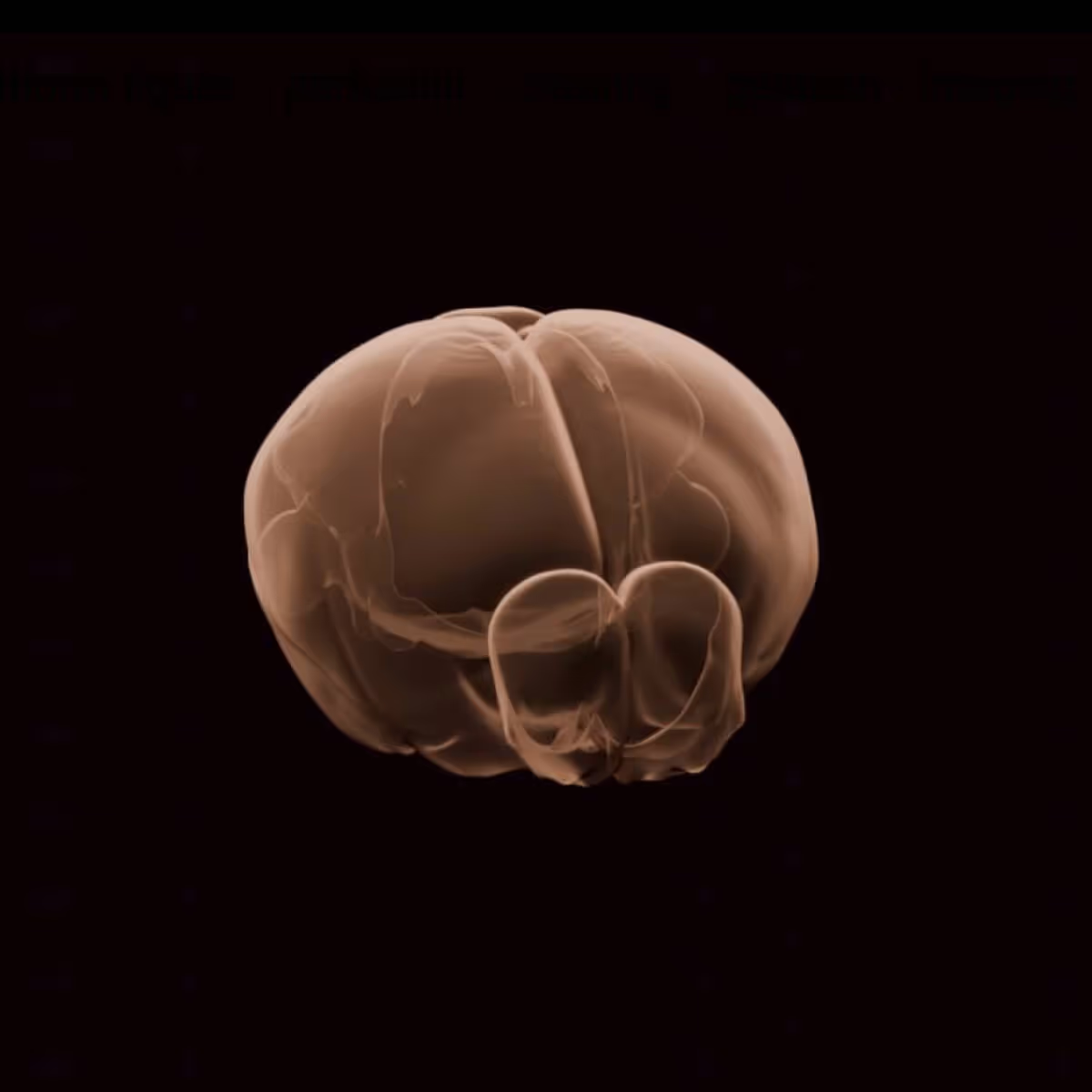
This platform builds on turn-key lightsheet microscopes to image mouse brains at high resolution and throughput. Analysis of the resulting volumetric images, including registration to standard brain coordinates and segmentation and counting of individual neurons, is fully automated.
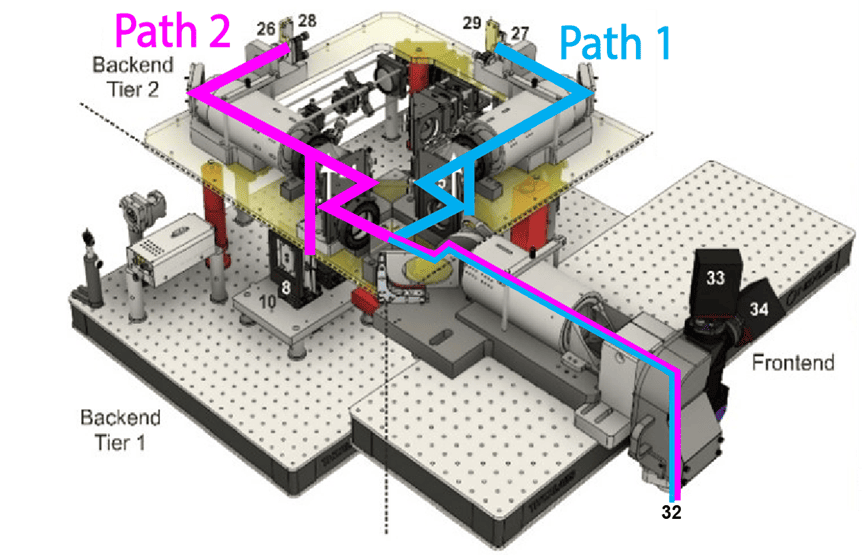
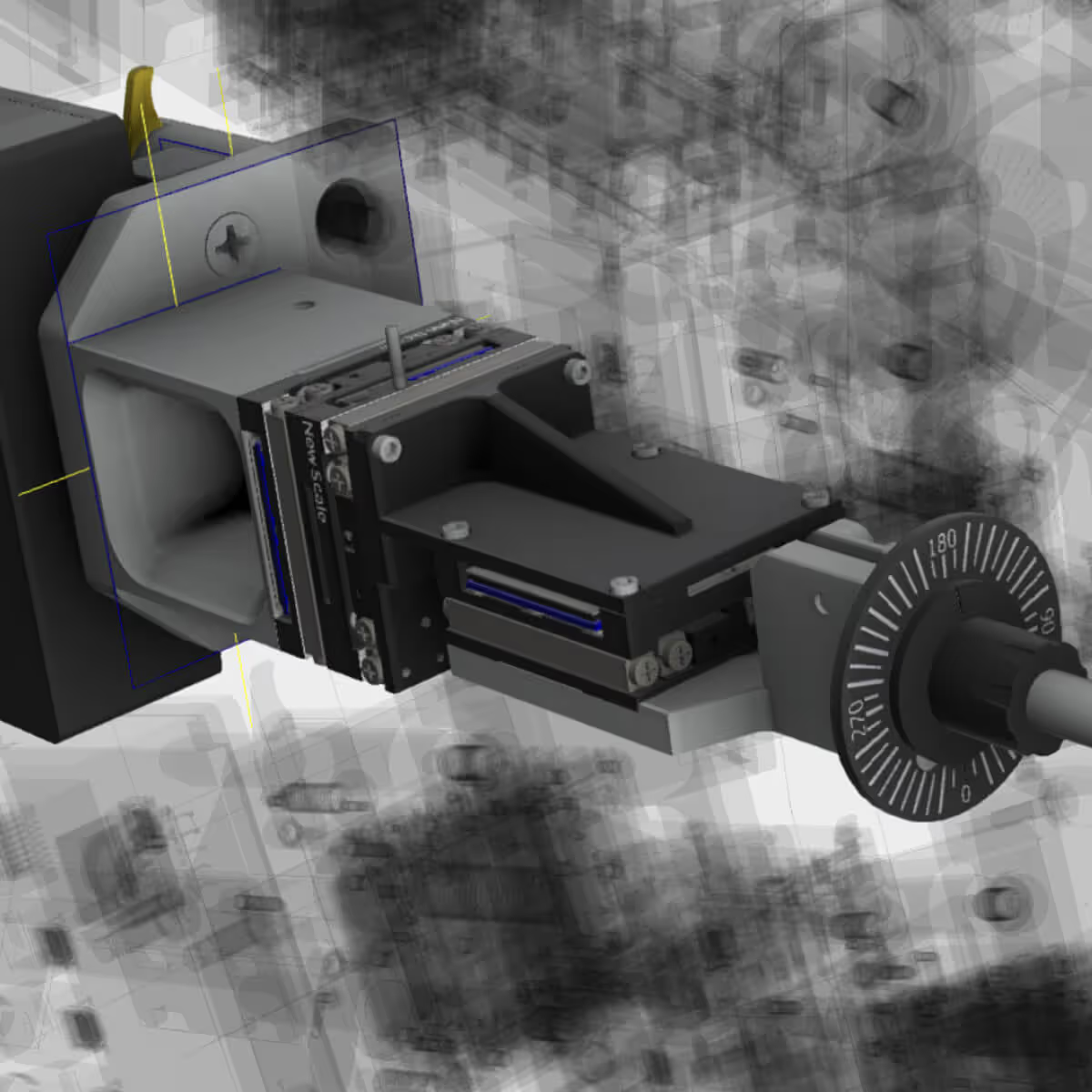
This platform uses a 2-photon microscope SLAP2 that records patterns of synaptic input and output in individual neurons at hundreds to thousands of frames per second in mice performing complex behaviors, using a flexible scan system that combines a digital micromirror device (DMD) with a high-speed scanner.
The Scientific Instrumentation and Process Engineering (SIPE) team is a shared engineering resource within the Allen Institute, focused on enabling and scaling cutting-edge bioscience through integrated hardware and software systems.
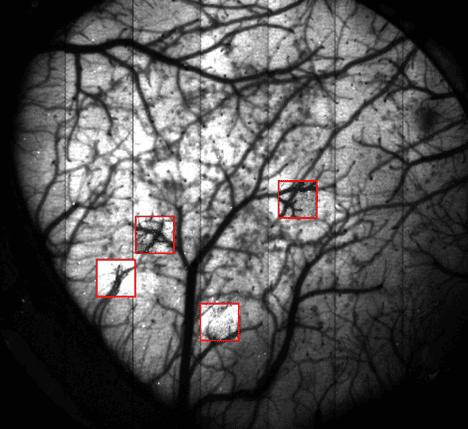
The Population Calcium Imaging platform measures changes in neural dynamics over long time scales as animals learn and behave.
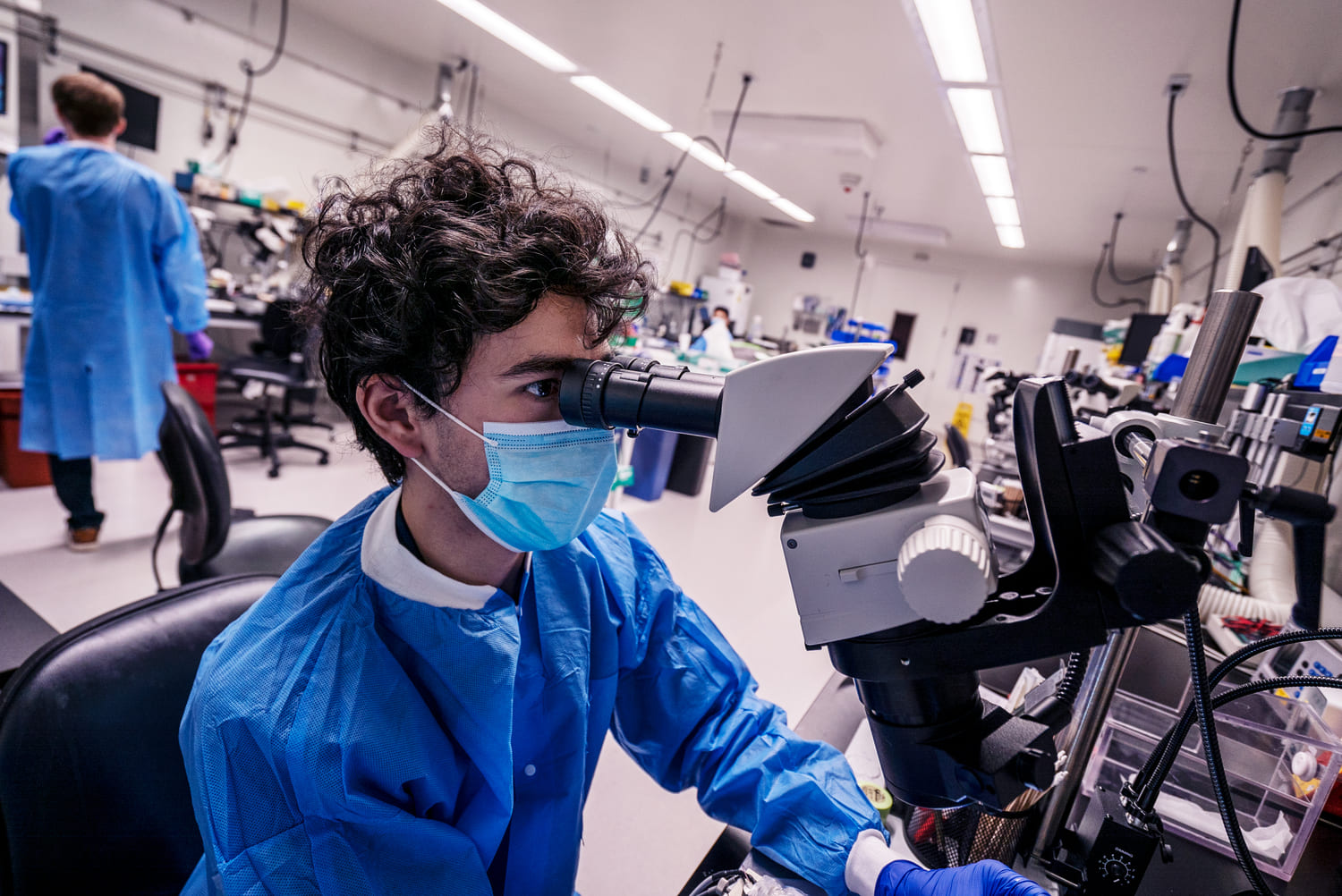
This team performs a variety of surgical procedures, including stereotaxic injections and implanting chronic cranial windows and Neuropixels probes.
This platform implements pioneering technology for highly reproducible, targeted, brain-wide, cell-type-specific electrophysiology to record neural activity from defined neuron types across the brain. Analysis and quality control of the electrophysiology data are fully automated.
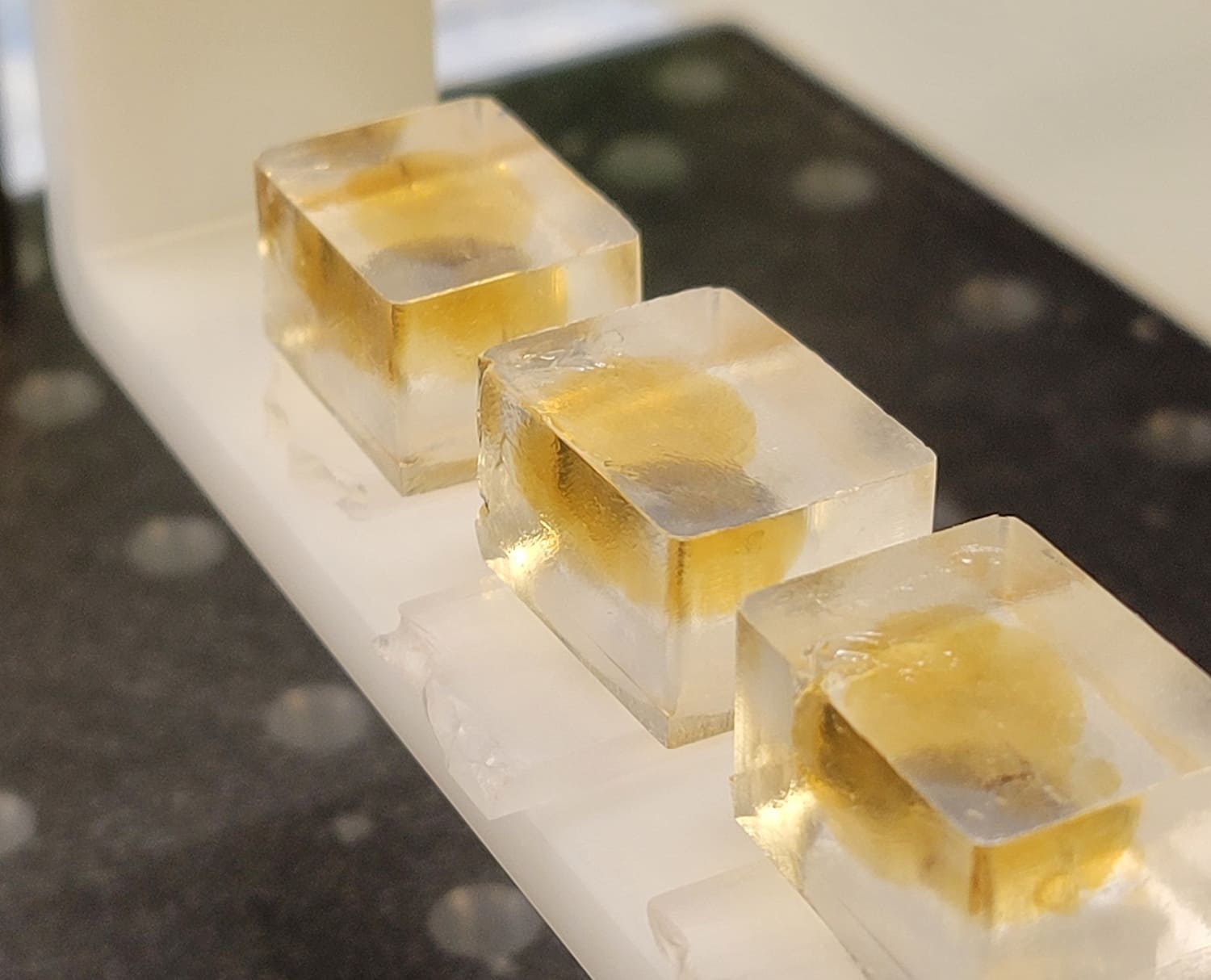
This platform combines innovative histology, ExA-SPIM microscopy, image handling, and machine learning to map the morphology and molecular identity of individual neurons across the whole brain at high throughput.
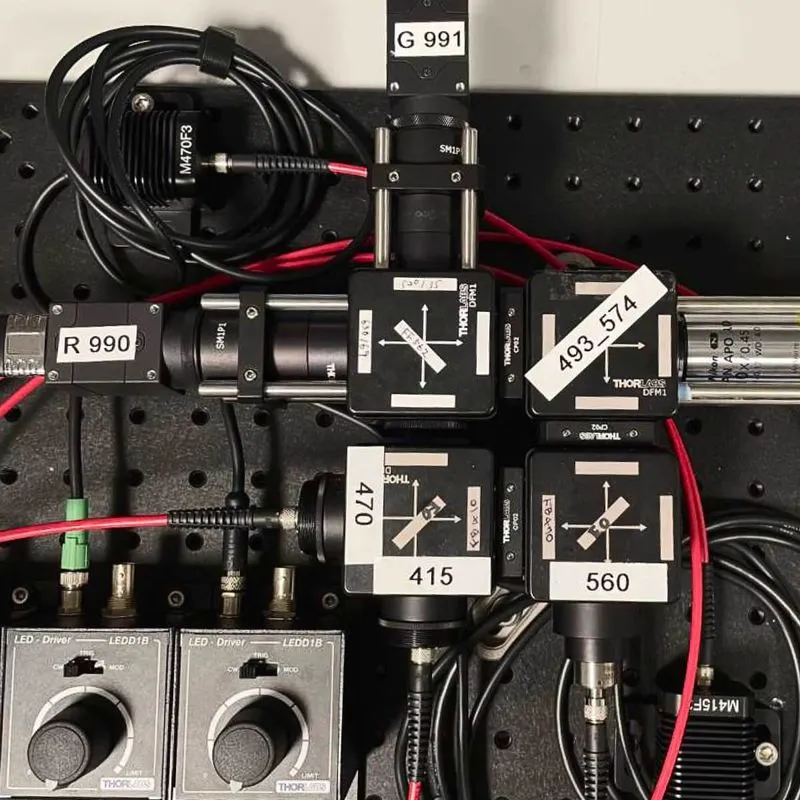
This platform enables optical measurement of neural activity and neurotransmitter release in populations of neurons to study neural circuit dynamics in behaving animals.
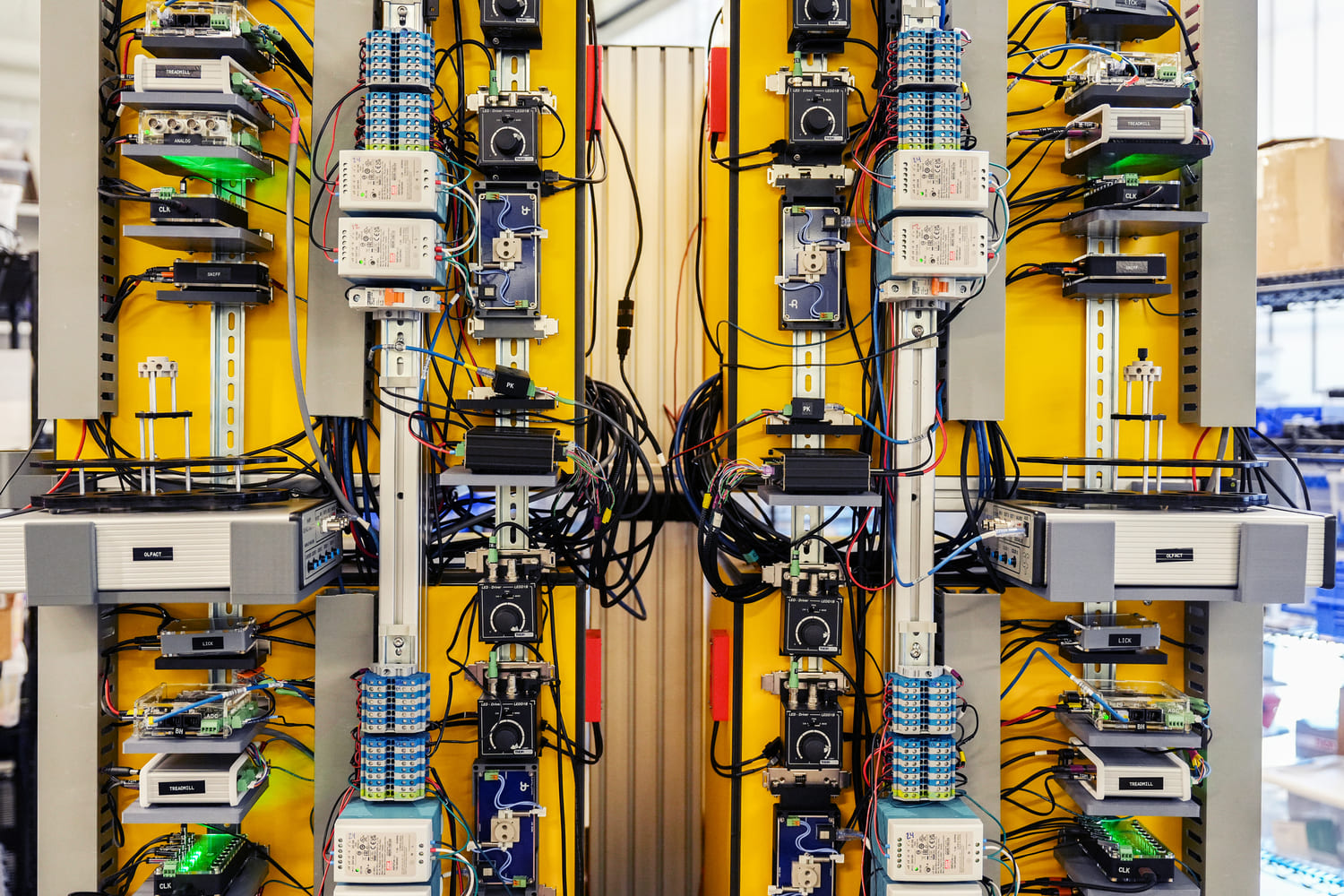
The Behavior platform uses advanced technology to implement a standardized, modular, multi-task virtual reality gymnasium for mice, with the goal to study brain function across different behaviors at scale.