Tools, Publications, & Data
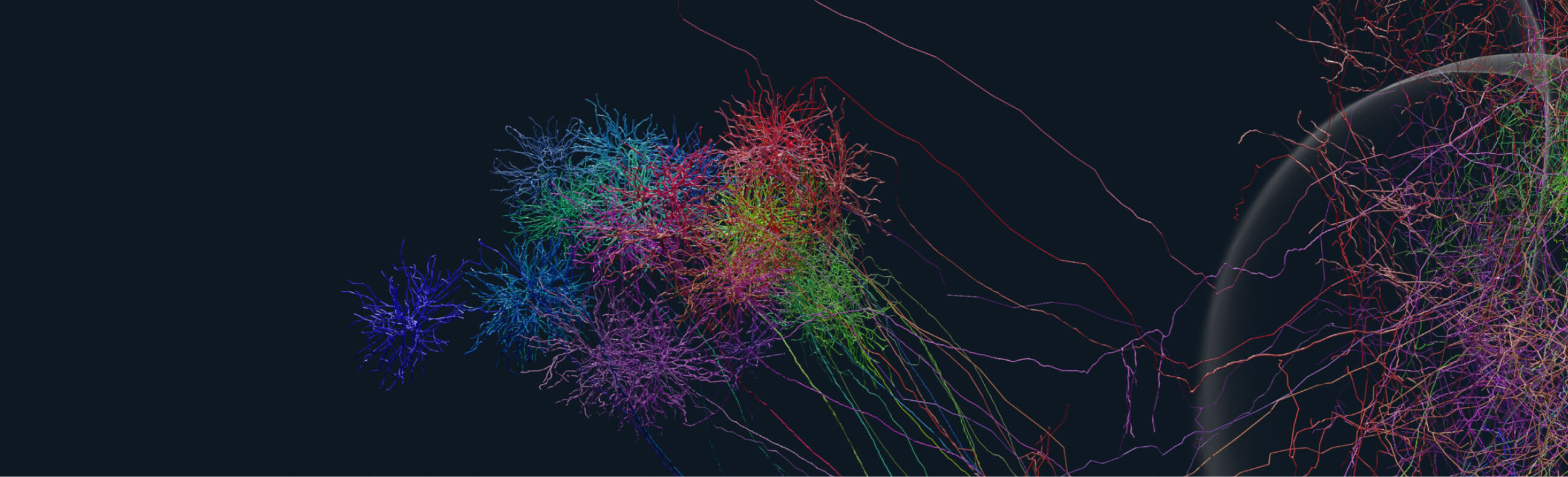
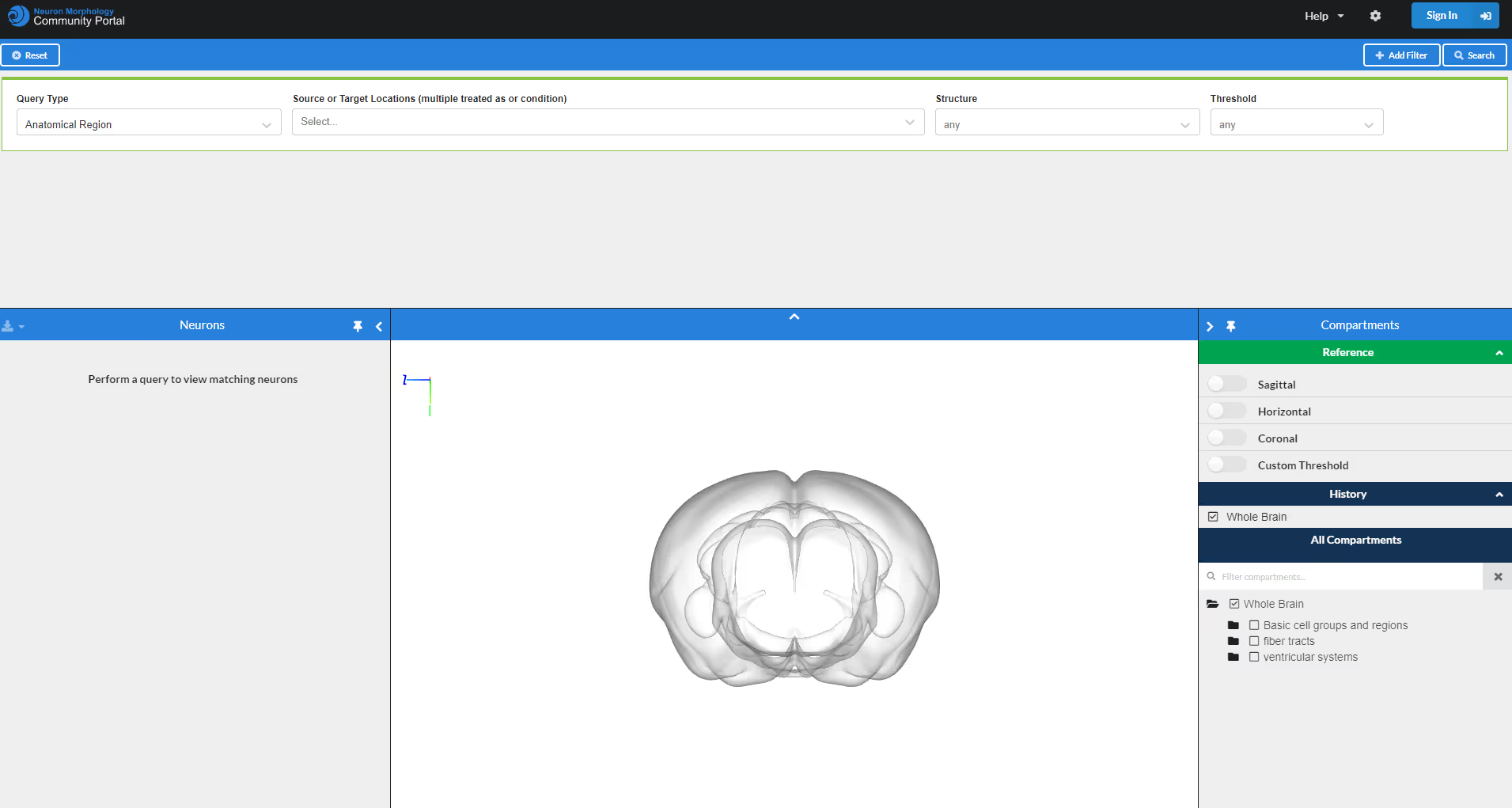
The Neuron Morphology Community Portal is is hub to search for whole-brain reconstructions of neuron morphologies in the adult mouse brain. It can host any data that has been aligned to the Allen Mouse Brain Common Coordinate Framework. Log into contribute new neuron skeletons or sign up to proofread new neurons with HortaCloud.
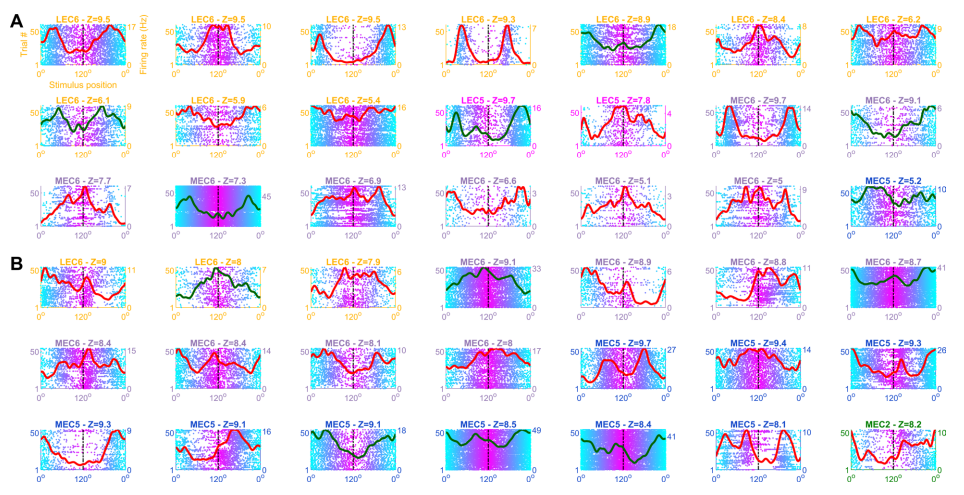
PREPRINT: The prevalence and similarity of visual tuning across all layers of MEC as well as LEC exceeds that of other known functional cell types (like grid cells in MEC or egocentric object tuning/time-cells in LEC) during spatial navigation tasks and could be foundational in understanding entorhinal complexity.
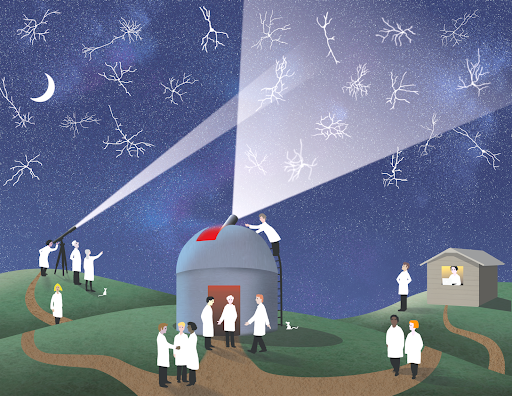
The OpenScope program publishes on an annual basis a detailed public report that summarizes all of our activities within the year. These reports highlight all developments of the year: new selected projects, completed projects, publications and technical developments of the platform.
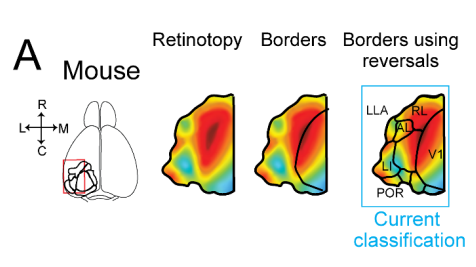
PREPRINT: These results motivate the unified-V2 hypothesis as an alternative model of mouse higher visual cortex while emphasizing that areal boundaries are most strongly supported when independent topographic, functional, architectonic, and connectional features exhibit reproducible, spatially coincident transitions. The OpenScope dataset provides a resource for independent tests of this and alternative models of mouse visual cortical organization.

How do mice internally represent complex visual stimuli, and how do they use this information to guide behavior during decision making? In this project, we focused on visual textures: images composed of repeated patterns that obey translational, rotational, or scale symmetries. These textures are common in the natural world and provide important cues for identifying objects and their properties. The Texture Dataset consists of 2 animal cohorts. A naive one, in which mice were shown the same set of visual textures across multiple sessions (16 different textures families, with 28 images per family, also called exemplars). And a trained one, in which mice were first trained in a visually-guided discrimination task involving textures. Mice were initially trained following the standard change-detect Visual Behavior optical Physiology protocol. After the training stage with gratings was completed, mice were switched toa a new task involving the texture images instead. This task (orange) mimicked the original “familiar images” task protocol, but instead used a new set of texture images (8 families, 1 exemplar per family). So 8 different images in total. After learning this stage, ,mice were switched to the final task (in green) where they had to visually discriminate between image families (rather than just images). To that end, what would typically be a set of consecutive trials with the same image (no-go trials) was replaced by a set of different images from the same family (exemplars). That is, mice had to visually discriminate between texture families (e.g., images of rocks vs images of leaves), rather than just different stimulii. After 4-5 sessions in this task, the mice were switched to the same passive viewing protocol (blue) as the naive mice.
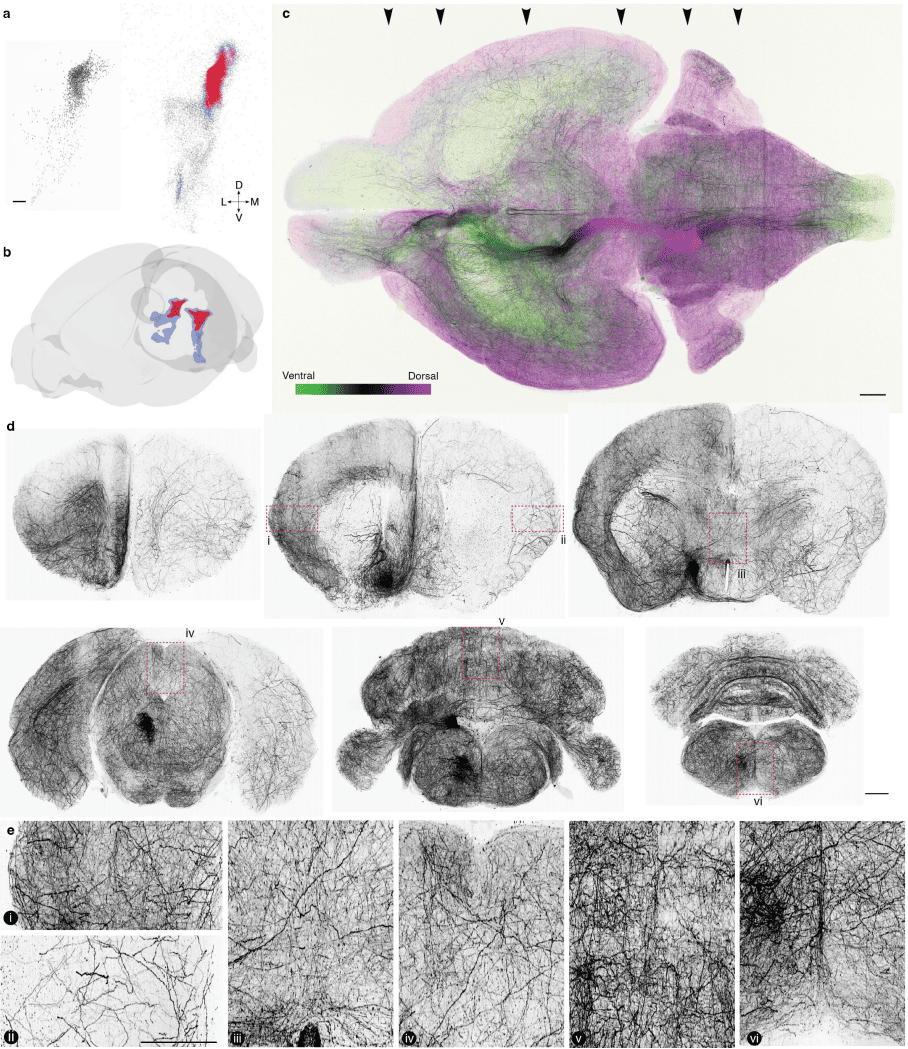
We identified a relationship between the morphologies, gene expression and activity of noradrenergic neurons in locus coeruleus in mice. Axonal projections of individual neurons were extensive but largely confined to subsets of brain regions. Axonal projections and graded gene expression correlated with locations of cell bodies in locus coeruleus. In a behavioural task requiring continuous learning from actions, dorsal locus coeruleus neurons projecting to isocortex were activated when mice switched choices and by reward-prediction-error signals that drive learning. Background activity of neurons in ventral locus coeruleus was higher when mice ignored stimuli indicating potential reward availability. These observations reveal a topographically organized structure and function of a neurotransmitter system and show that it contains learning signals for flexible behaviour.
It is essential for animals to detect the presence of predators or prey, even while they move themselves. Relative motion between a visual figure (e.g., predator or prey) and the background is therefore a highly relevant stimulus in the visual domain. Much less is known about the neural basis of cortical motion processing in mice and about figure-ground interactions in particular, although they offer much better access to studies of the underlying cortical circuits. It is essential for animals to detect the presence of predators or prey, even while they move themselves. Relative motion between a visual figure (e.g., predator or prey) and the background is therefore a highly relevant stimulus in the visual domain. Much less is known about the neural basis of cortical motion processing in mice and about figure-ground interactions in particular, although they offer much better access to studies of the underlying cortical circuits. This dataset characterizes the tuning of six different visual cortical regions (VISp, VISl, VISal, VISrl, VISam, and VISpm) and four different cell types (PCs, PV, SST, and VIP) to random-dot kinematograms (RDKs) of different directions, different coherence levels, and different offsets between local/center and global/surround motion.
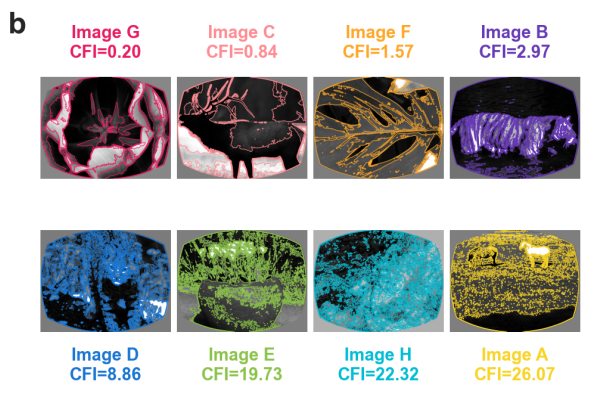
PREPRINT: Psilocybin profoundly alters visual perception, yet the neuronal mechanisms underlying these effects remain unclear. Here we combined large-scale Neuropixels recordings with cell-type-specific optogenetics in head-fixed mice performing a visual change-detection task. Psilocybin severely impaired task performance without overt motor deficits. In cortex, the drug modestly suppressed activity of layer 5 neurons while preserving representations of image identity. By contrast, psilocybin imposed a 4-Hz oscillation on visually evoked activity that preferentially affected neurons encoding image change rather than image identity. Under psilocybin, expected image repetitions aberrantly recruited change-encoding ensembles and shifted cortical population dynamics towards trajectories normally evoked by genuine stimulus changes. These effects were strongest in somatostatin-expressing (SST) interneurons in visual cortex. The strength of this modulation depended on image structure and was greatest for images with clear, continuous contours, which preferentially recruited change-encoding ensembles. These findings demonstrate that psilocybin drives internally generated cortical surprise signals, providing a circuit mechanism for altered perception in the acute psychedelic state.
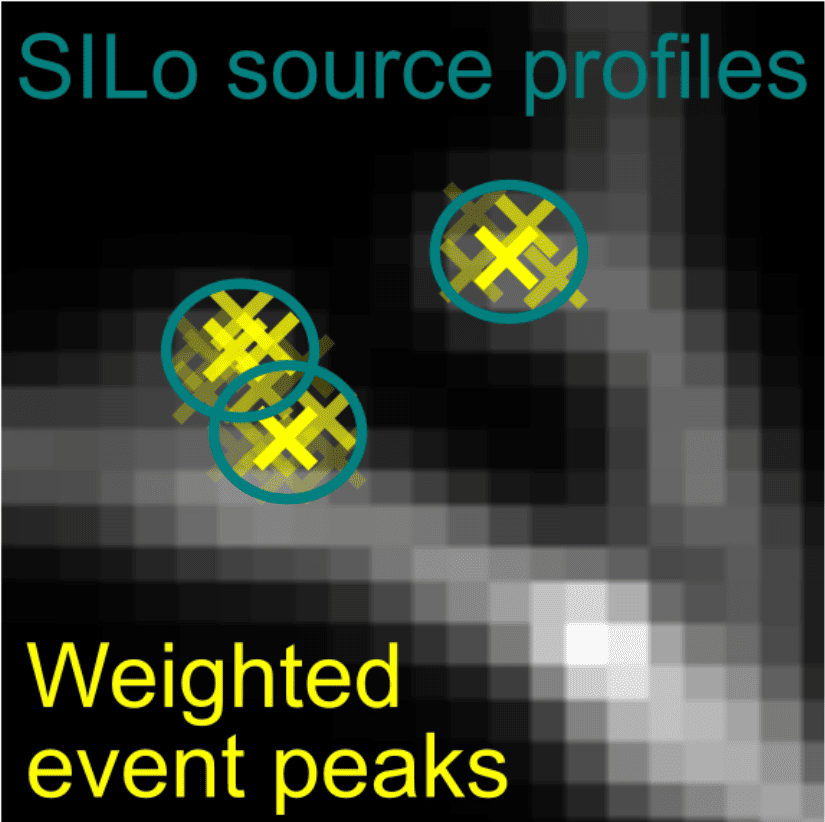
PREPRINT: Here we present a set of automated tools for glutamate imaging datathat corrects sample motion, identifies active synapses with super-resolution precision, and extractssynaptic fluorescence signals.

We present an end-to-end spike sorting pipeline that leverages parallelization to scale to large datasets.
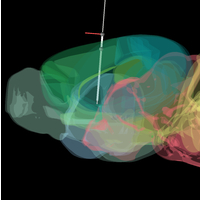
High-density electrode arrays, such as Neuropixels, make it possible to record spiking activity from living brains at an unprecedented scale. Here we describe a protocol for high-density extracellular electrophysiology recordings using an acute craniotomy to provide access to the locus coeruleus norepinephrine neurons, a head bar and clamp that precisely locates the brain in our recording setup, and a modular insertion system to flexibly position Neuropixels probes and other instruments in the brain regions being studied.

Here we describe PRIMAS (Preserving RNA Integrity via perfusion of Molecular Anchors and hydrogel Scaffold), a method that bonds mRNA and other biomolecules to a hydrogel matrix.

This protocol describes the surgical procedure, instrumentation, and reagents necessary for the installation of a stabilizing headframe and cranial window over the left whole hemisphere of an adult mouse. This protocol should be utilized for neural imaging and experimentation regarding the mouse cortex.

Dissecting how specific genes causally contribute to the function of defined cell types requires knocking them out in vivo. This protocol quantifies guide RNA (gRNA) editing efficiency at target genomic loci in brain tissue, thereby providing a quantitative estimate of in vivo CRISPR/Cas9 knockout efficiency at the population level.
Psycode dataset is an OpenScope project designed to investigate the effects of psilocybin on visual processing and behavior in the mouse visual cortex. The core experimental design follows a ‘pre-drug / post-drug’ structure, allowing for a within-subject comparison of neural activity and task performance. Initially, mice are trained on a visual change detection task, similar to the paradigm used in the Visual Behavior Optical Physiology and Visual Behavior Neuropixels projects. In this go/no-go task, mice are shown a continuous series of briefly presented natural images (presented for 250 ms), and they earn water rewards by correctly reporting when the identity of the image changes. Alongside this behavior, the experiment includes a battery of passive visual stimulation protocols to probe the functional properties of visual neurons. The experimental timeline follows a structured sequence. Before psilocybin application, mice first undergo passive visual stimulation for receptive field (RF) mapping and a surround suppression paradigm, providing a baseline measurement of each neuron’s tuning properties. This is followed by the change detection task to end the pre-injection epoch. After psilocybin is administered, the same sequence of stimuli is presented in reverse: first the change detection task, followed by receptive field mapping and surround suppression. Finally, passive visual stimulation is repeated, now including an optotagging protocol at the end to identify cortical SST neurons. This symmetrical design—with both behavioral and passive protocols repeated before and after drug administration—enables a powerful within-subject analysis of how psilocybin modulates visual processing, from basic receptive field properties to complex task-dependent dynamics involving natural image perception. The dataset therefore offers a unique opportunity to link molecularly-specific cell types, natural image perception, and the state-dependent changes induced by a psychedelic compound.
In the natural world, sensory experience unfolds as a continuous and dynamic process where past sensory input predicts the present. The brain utilizes this sequential flow of recent sensory information to make predictions, infer causal relationships between events, and to give rise to our perceptions. Traditionally, such higher cognitive functions were attributed to the computations undertaken in associative brain regions, while sensory areas (such as V1) were thought to serve as passive feature detectors. This longstanding view is now being challenged by compelling evidence showing the capacity of these areas for plasticity and complex computations such as forming spatial expectations, temporal associations, reward prediction, and categorial learning. Importantly, it has been established that sensory processing is not solely determined by the system's current sensory inputs but also strongly influenced by preceding sensory inputs, a phenomenon known as hysteresis.This phenomenon has been characterized in detail in the visual system, with prominent examples that include adaptation, repetition suppression, prediction suppression and facilitatory history effects. However, previous work predominantly focused on the neuronal dynamics over short time scales, ranging from milliseconds to several minutes, in response to a limited set of synthetic stimuli. Moreover, much of our current knowledge relies on recordings from the primary visual cortex and on interpretations that emphasize modulation of single cells’ activity rather than analysis of population-level dynamics. Consequently, the extent to which prior experience over longer timescales shapes neuronal representations, and specifically representations of more ethologically relevant natural stimuli, remains unclear. It also remains unclear whether and to what extent the effects of prior experience on such neuronal representations differ along the visual system's hierarchical structure.

PREPRINT: Hierarchical predictive coding (HPC) models have recently flourished in neuroscience. Feedforward and feedback processing are at the heart of HPC models. Using open-science, multi-species, multi-area, high-density, and laminar neurophysiology, we empirically test whether hierarchical predictive coding is a key component shaping cortical processing of visual stimuli.
Data and code needed to reproduce optotagging figures from Lakunina et al. (2026) Nature Methods.
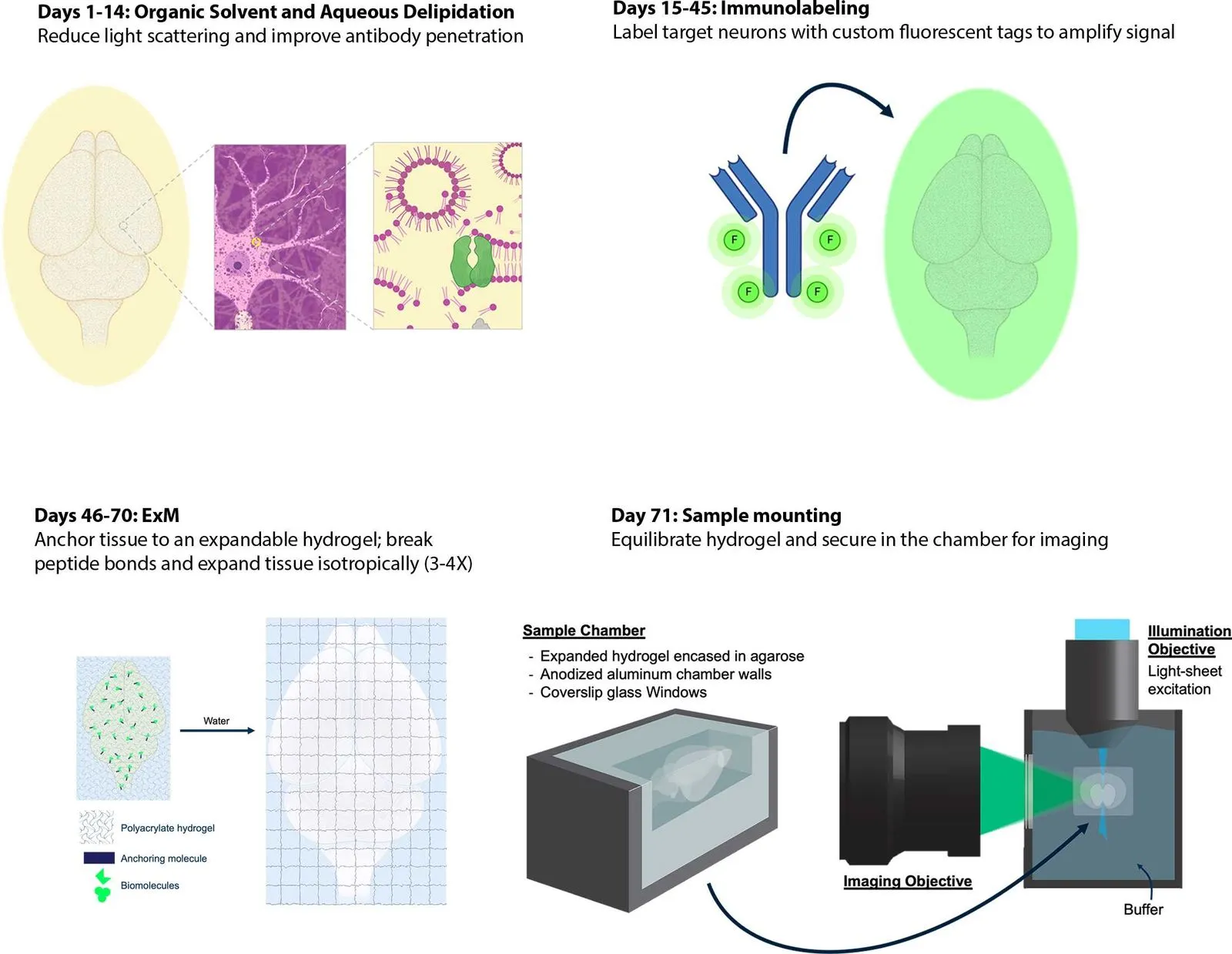
We have imaged expanded whole mouse brains generated using this protocol on our custom built ExA-SPIM microscope without need for any tissue slicing. These whole brain data sets are being used for tracing complete axonal morphology of individual neurons.

High-resolution extracellular electrophysiology is the gold standard for recording spikes from distributed neural populations and is especially powerful when combined with optogenetics for manipulation of specific cell types with high temporal resolution. We integrated these approaches into prototype Neuropixels Opto probes, which combine electronic and photonic circuits.
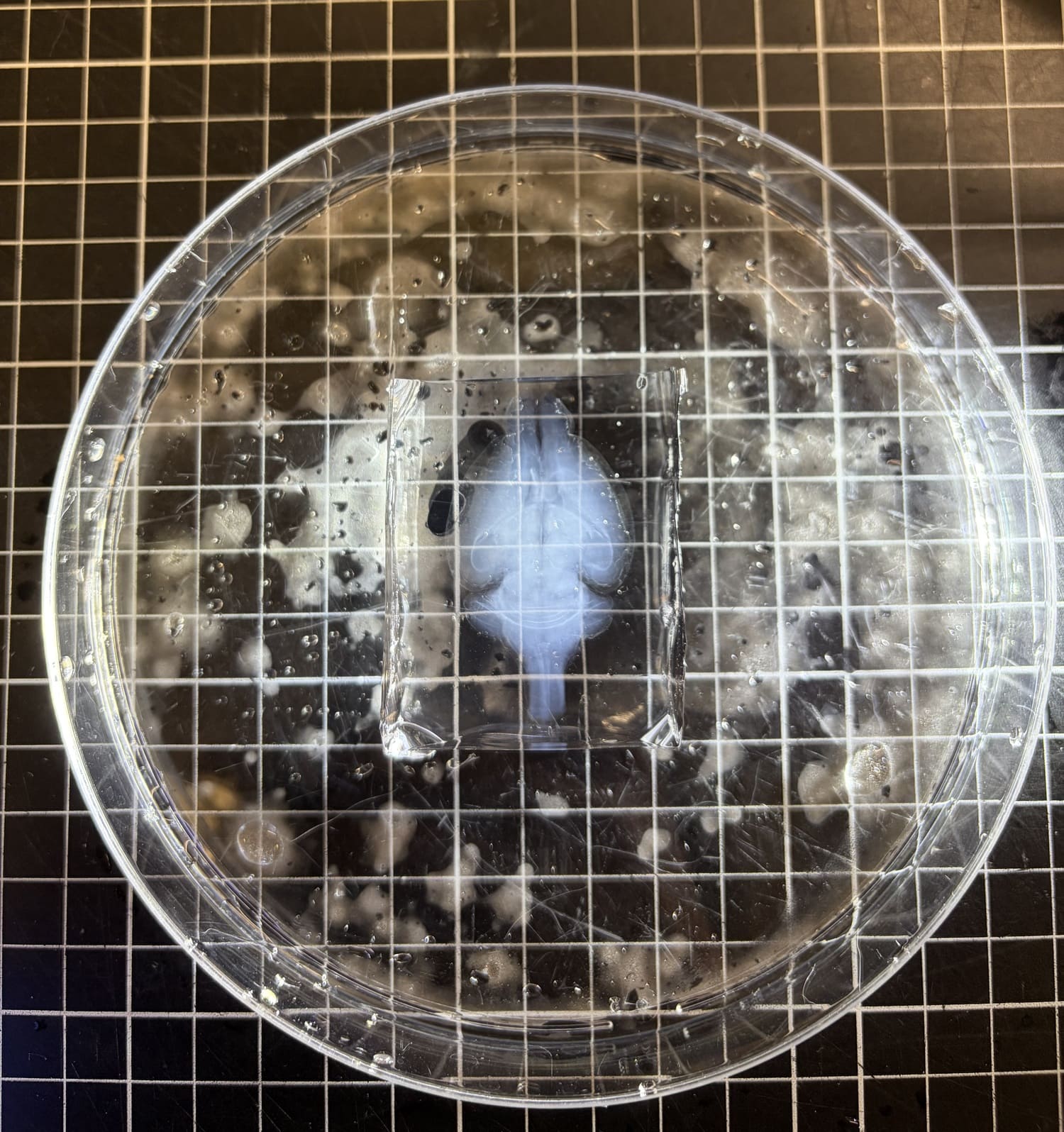
Hydrogel-embedded brains swell in aqueous solutions due to osmotic expansion of the charged polymer network. For imaging on the ExA-SPIM, samples are expanded in dilute saline-sodium citrate (SSC) buffer, so that gel swelling is limited to ~3× linear expansion. Expanded hydrogels are then mounted in a custom imaging chamber for light-sheet imaging.

To amplify signals of FPs for high resolution, multi-scale imaging, we immunolabel delipidated brain samples.
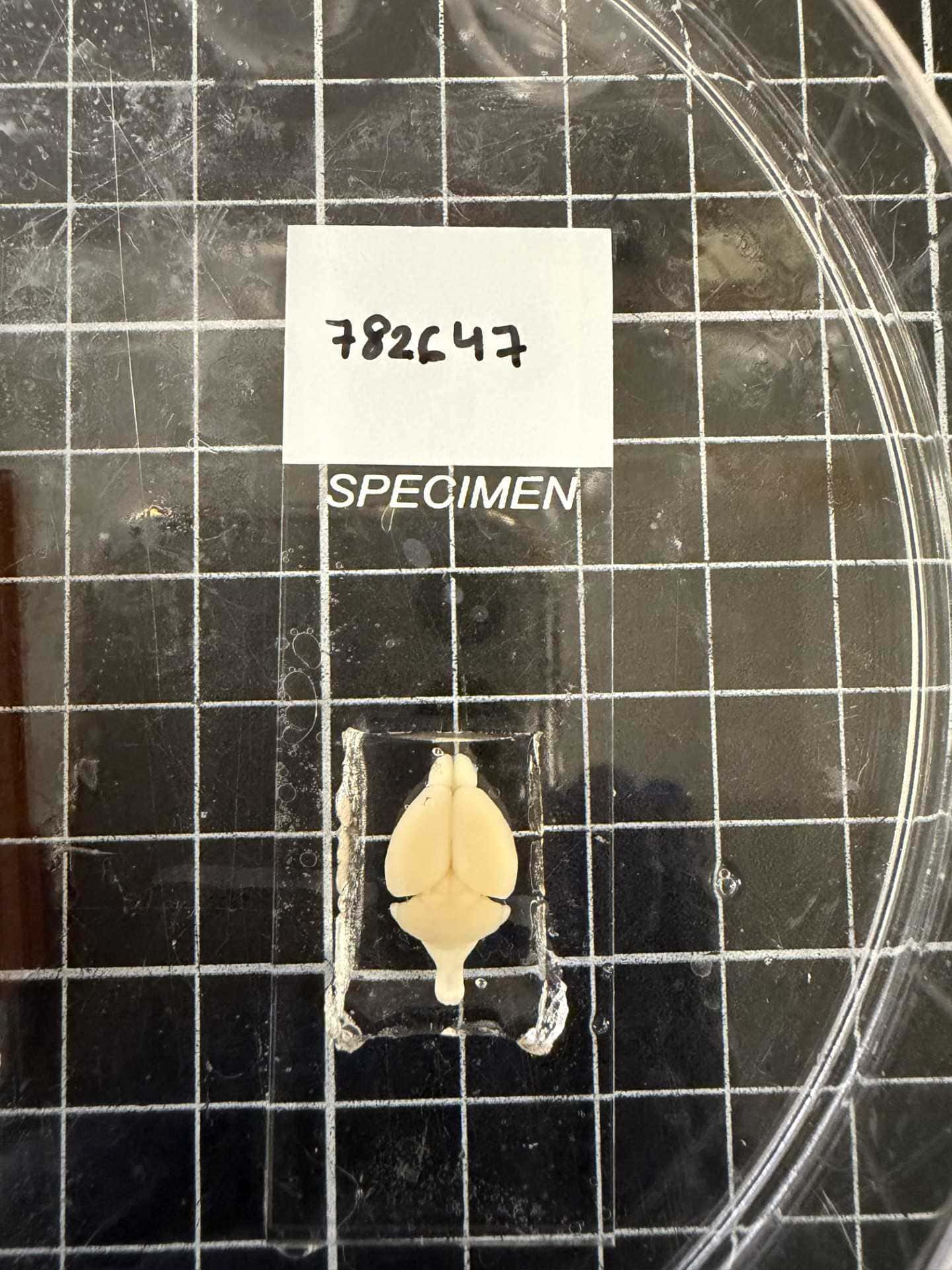
Whole brain samples are embedded in a swellable hydrogel that enables isotropic expansion, improving effective imaging resolution. Biomolecules or fluorescent labels are covalently anchored to the polymer network so their spatial organization is preserved during expansion. Following gelation, enzymatic digestion with Proteinase K homogenizes the tissue by disrupting structural proteins, allowing uniform expansion and resulting in an optically transparent sample with reduced light scattering.

This protocol describes the surgical procedure, instrumentation, and reagents necessary for the installation of a stabilizing headframe and cranial window over the motor cortex of an adult mouse. This protocol should be utilized for neural imaging and experimentation regarding the mouse motor cortex.
High-density electrode arrays, such as Neuropixels, make it possible to record spiking activity from living brains at an unprecedented scale. Here we describe a protocol for high-density extracellular electrophysiology recordings using a SHIELD craniotomy to provide brain-wide access, a head bar and clamp that precisely locates the brain in our recording setup, and a modular insertion system to flexibly position Neuropixels probes and other instruments in the brain regions being studied.

Public Code Ocean collections we have developed

A collection of public Code Ocean capsules and data that accompany the paper "Topographic structure and function of locus coeruleus norepinephrine neurons"
Extensive research shows that visual cortical neurons respond to specific stimuli, e.g. the primary visual cortical neurons respond to bars of light with specific orientation. In contrast, the hippocampal neurons are thought to encode not specific stimuli but instead represent abstract concepts such as space, time and events. How is this abstraction computed in the mouse brain? Specifically, how does the representation of simple visual stimuli evolve from the thalamus, which is a synapse away from the retina, through primary visual cortex, higher order visual areas and all the way to hippocampus, that is farthest removed from the retina?
The current OpenScope project aims to understand how the neural representations of simple and natural stimuli evolve from the LGN through V1, and most hippocampal regions, as well as some of the frontal areas.
Stimuli presented Two main categories of visual stimuli were presented–
To parametrize the stimulus properties which might be affecting neural responses, mice were shown variants of the vertical bar of light as follows: A(o) – The bar of light was white, moving on a black background, 15 degrees wide, and moved at a fixed speed, covered the entire width of the screen in 2 seconds. It covered both movement directions consecutively (naso-temporal, then temporo-nasal). A(i) – Similar to A(o), but the bar was now thrice as wide (45o) A(ii) – Similar to A(o), but the bar was thrice as slow (covering the width of the screen in 6 seconds). A(iii) – Similar to A(o), but the contrast was flipped, i.e. a black bar of light on a white background. A(iv) - Similar to A(o), but instead of a simple white bar, the stimulus was striped, and each stripe changed color as the stimulus moved through the width of the screen. This was called “disco” bar of light A(v) – In a subset of mice, A(o) was appended by frames corresponding to the bar of light “vanishing” at either of the edges. Two vanishing protocols were attempted, the bar of light is fully absorbed by the boundary, before reemerging. Another protocol had the bar of light vanish for ~1 second in addition to smoothly being absorbed by the boundary, before reemerging.
This dataset was collected for the Dendritic Coupling project, as part of the Allen Institute's OpenScope project.
Predictive coding hypotheses posit that perception is an active process whereby brain regions predict incoming sensory inputs, against which they are compared by other neural populations. Mismatches between predictions and inputs result in error signals that can then be used to update the predictive model encoded in synaptic weights, thereby driving plasticity. Although increasing amounts of evidence are consistent with the general framework, many different algorithmic implementations have been proposed, requiring further experiments to test specific corollaries of these varied approaches. One important, testable implication distinguishing some current theories involves the coupling strength in L2/3 and L5 pyramidal neurons between distal apical dendrites, which tend to receive top-down inputs that may include sensory prediction data, and their conjoined somata, which are often driven by bottom-up inputs. In particular, error signals are computed or else collocated in apical dendrites in some implementations, resulting in a quiescent subunit when the prediction matches inputs—zero error—and, thus, reduced dendro-somatic coupling during such times. In contrast, a separate proposal implies the opposite: Since many apical dendritic voltage signals can only reach their electrotonically segregated soma when facilitated by bursting induced by concurrent somatic sensory inputs, dendro-somatic coupling would instead be strongest when top-down predictions match bottom-up signals.
Our experiment seeks to test these hypotheses by near-simultaneously imaging L2/3 and L5 somata and distal apical dendrites in mouse V1, LM, PM, and AM in transgenic lines that express GCaMP6f. Imaging four distinct areas allows us to also examine the consistency of the coupling rules, further putting the notion of a cortical canonical microcircuit to the test. By habituating animals to sets of visual stimuli with spatiotemporal patterns that are subsequently violated, we can evaluate the neural responses across the visual cortical hierarchy.
Data streams collected in this study include 2-photon calcium imaging of somata and dendrites, intrinsic signal imaging (ISI) mapping for area identification, eye tracking to monitor gaze and pupillary responses, and running wheel sensors to record locomotor activity during visual stimulation.

The planar optical physiology pipeline is capable of processing single plane and multiplane image data.
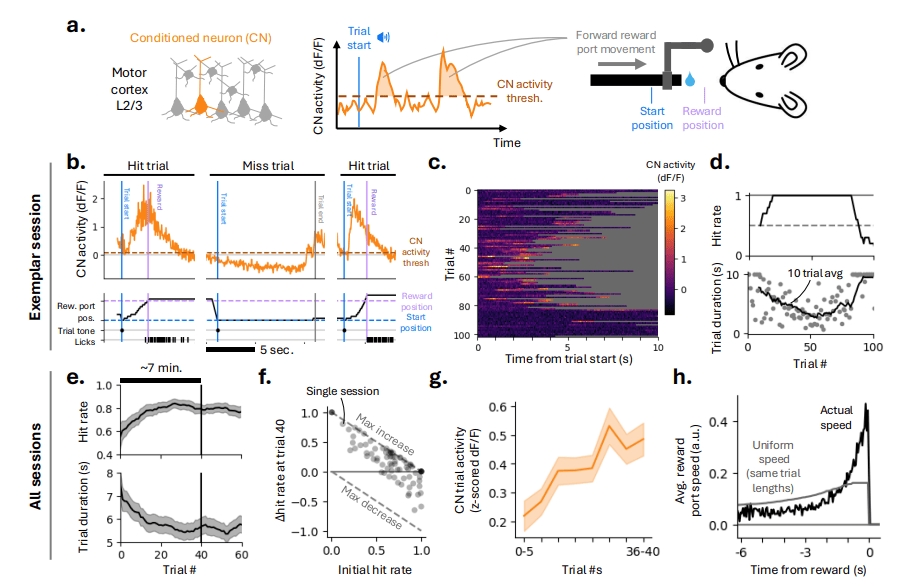
PREPRINT: We used two-photon photostimulation and calcium imaging to map learning-related changes in connectivity in layer 2/3 of mouse motor cortex. Our findings show how rapid learning can be achieved through structured changes in motor cortex connectivity.

Repository that hosts the SmartSPIM pipeline code.

This document details the steps necessary to assemble a Variable Difficulty Upright Mouse Running Wheel with Allen Institute Headframe Clamp.

This protocol describes the surgical procedure, instrumentation, and reagents necessary for the installation of a stabilizing headframe and cranial window over the visual cortex of an adult mouse. This protocol should be utilized for neural imaging and experimentation regarding the mouse visual cortex.

A Harp-compliant, 16-channel MOSFET Output board to control solenoid valves on closed loop with submillisecond precision.
This protocol details the acute craniotomy procedure to target locus coeruleus (LC) in vivo with a Neuropixels 2.0 single shank probe, and includes the skull thinning procedure to better expose regions of cortex for antidromic laser stimulation.
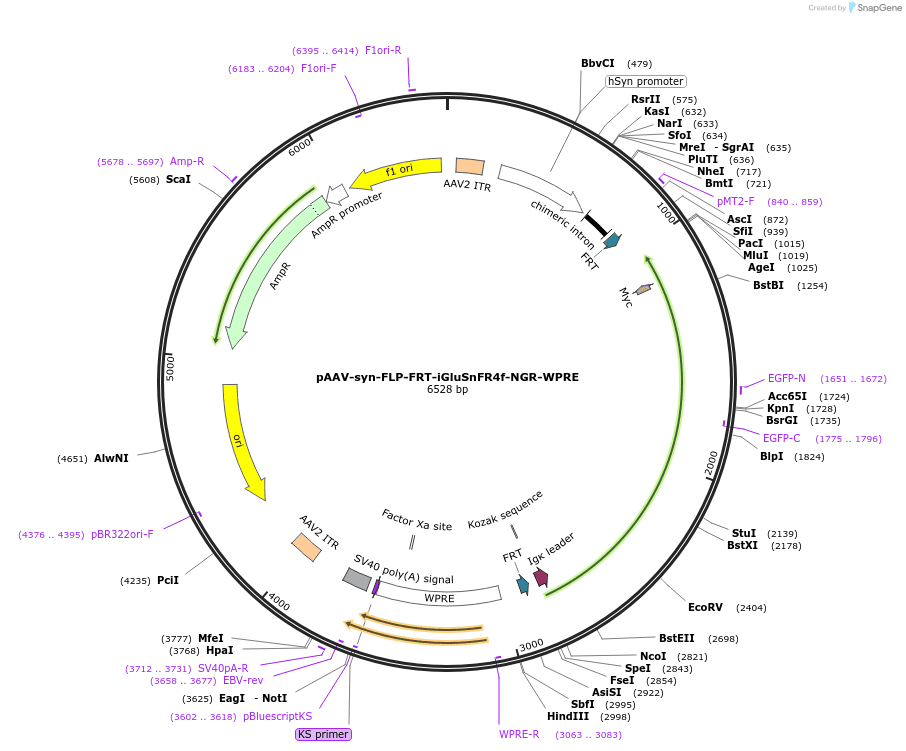
AAV-mediated expression of glutamate sensor with improved sensitivity and deactivation kinetics; NGR vector matches or outperforms PDGFR in all conditions tested.

This LifeCanvas SmartBatch+ protocol is intended for whole mouse brain tissue clearing and incorporates electrophoretic delipidation. While this delipidation protocol is longer than other delipidation protocols we tested, it preserves the endogenous fluorescence of the tissue and clears the whole brain most effectively, demonstrating the morphology of fine cell structures deep in the brain.

This protocol discusses how to mount the sample holder into the microscope and the steps to acquire a full-brain volumetric image using the custom ExA-SPIM software.

Closed-loop behavior system for continuous, long-term (multi-week) experiments in freely-moving mice.

The Genetic Tools Atlas (GTA) is a searchable web tool representing information and data on enhancer-adeno-associated viruses (enhancer AAVs) and mouse transgenes developed and tested at the Allen Institute for Brain Science. The GTA offers a large genetic toolkit for selective gene expression in brain cell types of interest.
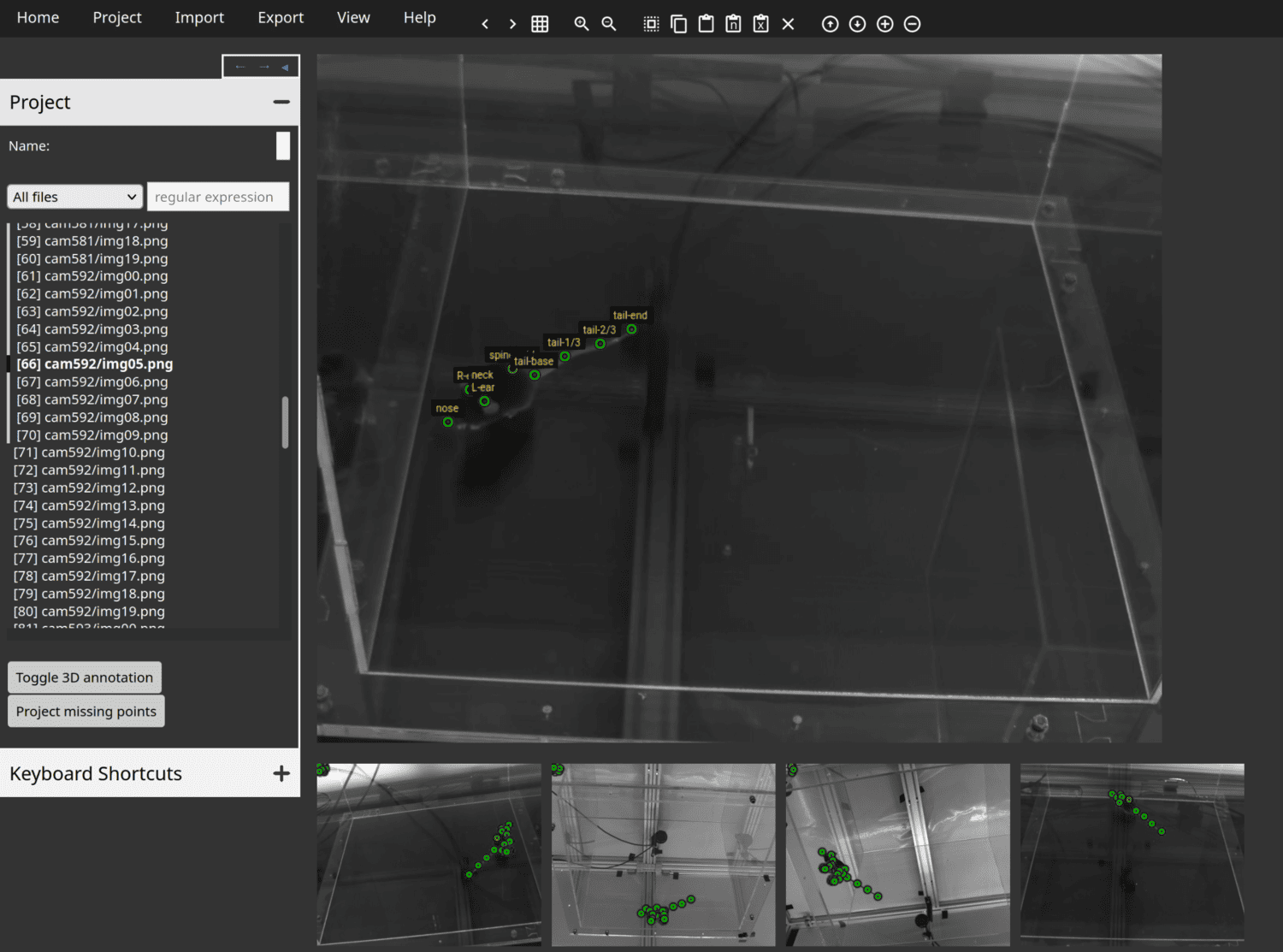
Anivia is a new web tool intended specifically for annotation of animal keypoints from images in both 2D and 3D.
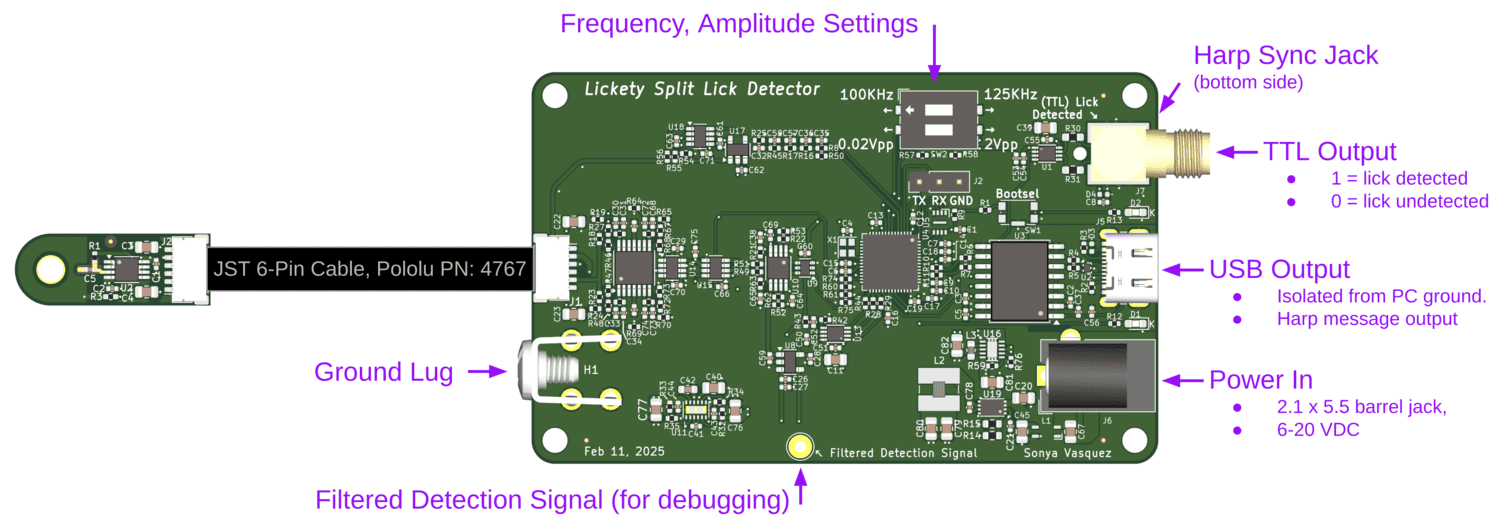
Several Harp devices:



Harp is a standardized solution for:
All Harp Devices implement the Harp Protocol to communicate with an host PC. The Bonsai.Harp library provides an implementation of the Harp protocol that can be used to interface with any Harp device.

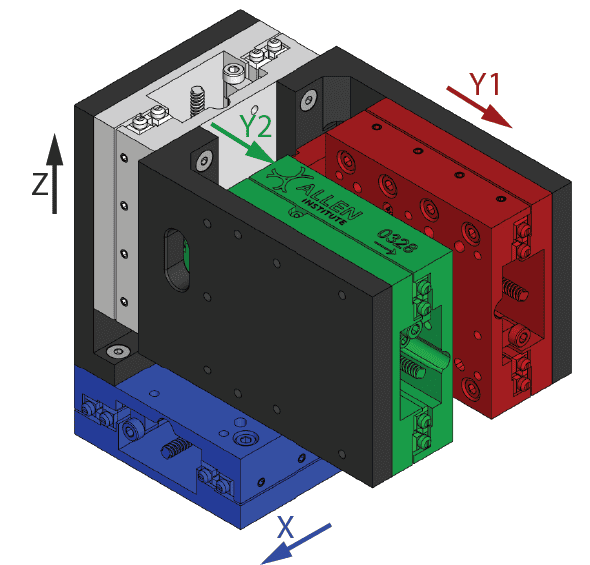
Software that controls the manipulator. The manipulator is composed of two main components:

A repository for calibration and configuration of the harp olfactometer device

A core problem in mice training is accurately keeping track of each mouse’s training stage and accurately setting the corresponding rig parameters. As the number of behavior studies, research assistants, and mice increase, manual tracking and parameter input is prone to human error. This library provides a flexible framework for defining mice curriculum enabling mouse training to be automated.

A repository for the VR Foraging task.

A Harp core implementation on the RP2040
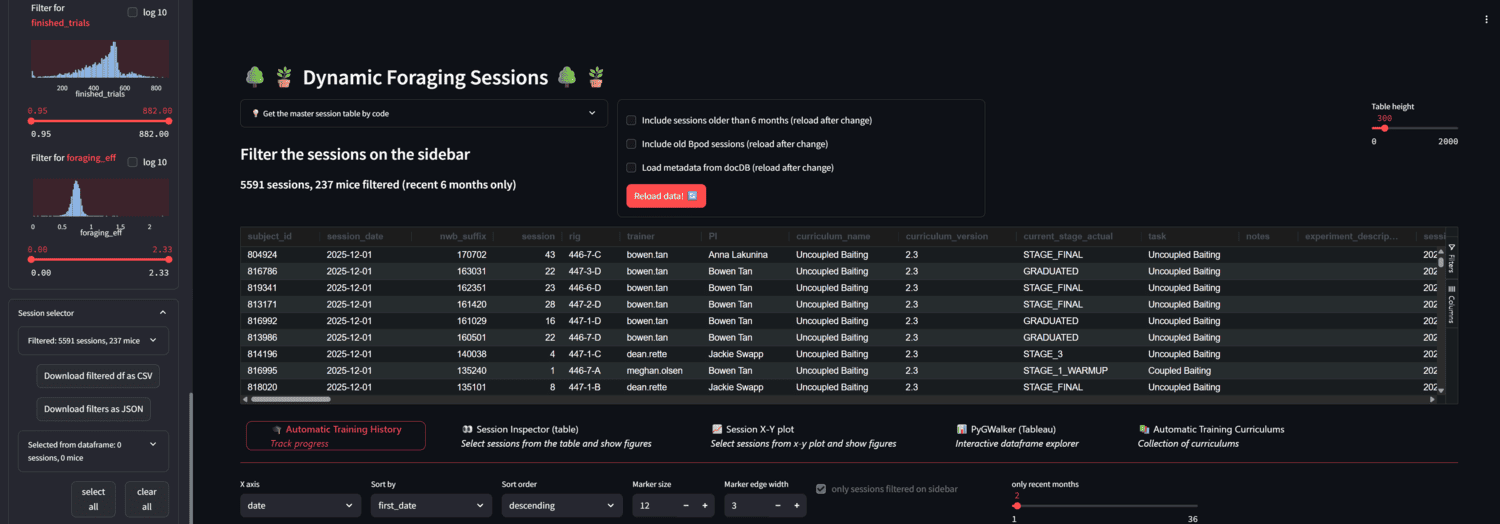
A streamlit app for browsing foraging behavior sessions in AIND.

A pubic collection accompanying "Efficient and reproducible pipelines for spike sorting large-scale electrophysiology data."
This modified LifeCanvas embedding protocol is intended to prepare cleared mouse brains for imaging on the SmartSPIM. It details mixing and degassing the agarose solution and the technical process of embedding a brain in the agarose solution.

This protocol describes the experimental setup and procedure for behavioral training of mice in a “dynamic foraging” task, wherein a thirsty mouse is trained to make decisions in a dynamic environment.


This protocol outlines the parameters, steps, and frequency of water calibration and spot checks to ensure that reward volumes remain consistent over time.

A repository with source code for long-term, freely moving, electrophysiology recordings in mice.
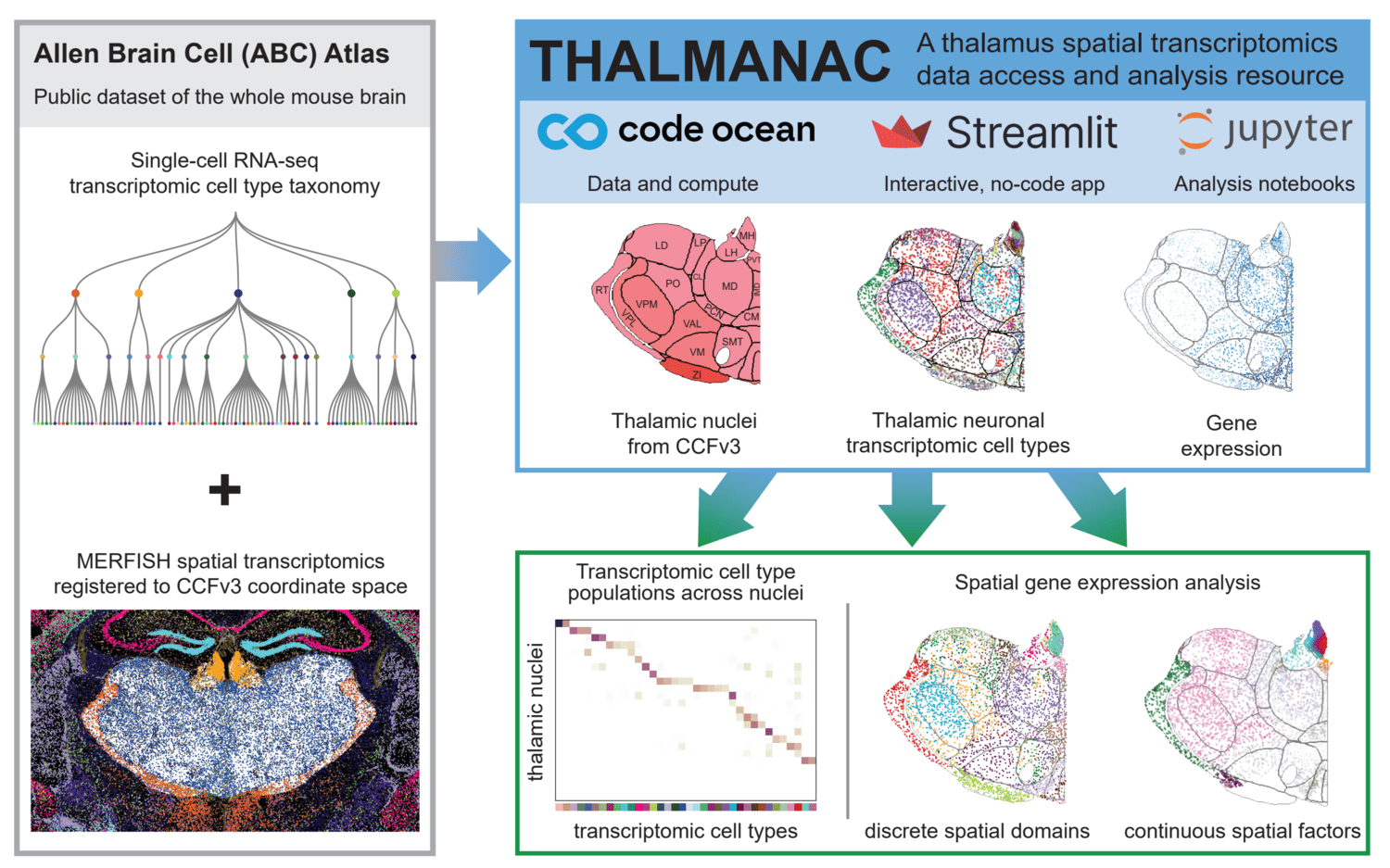
PREPRINT: We present the THALMANAC, (THALamus MERFISH ANalysis and ACcess) a Findable, Accessible, Interoperable, Reusable and Reproducible (FAIRR) resource for exploring and analyzing single-cell transcriptomic variation in the thalamus. The THALMANAC provides streamlined access to thalamic gene expression data registered to the common coordinate framework and tools for quantitative analysis and visualization of these data, all encapsulated in a reproducible, cloud computing platform.
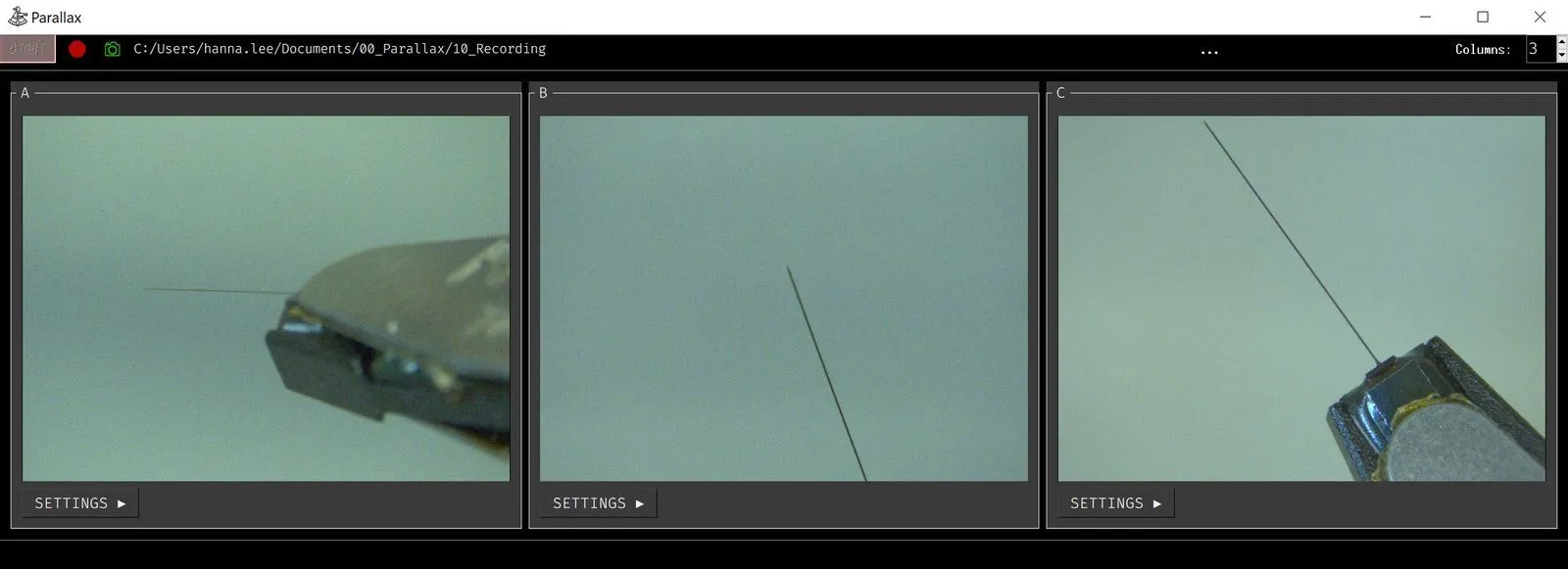
Parallax is a graphical user interface designed to streamline the process of setting up and performing acute in vivo electrophysiology experiments.
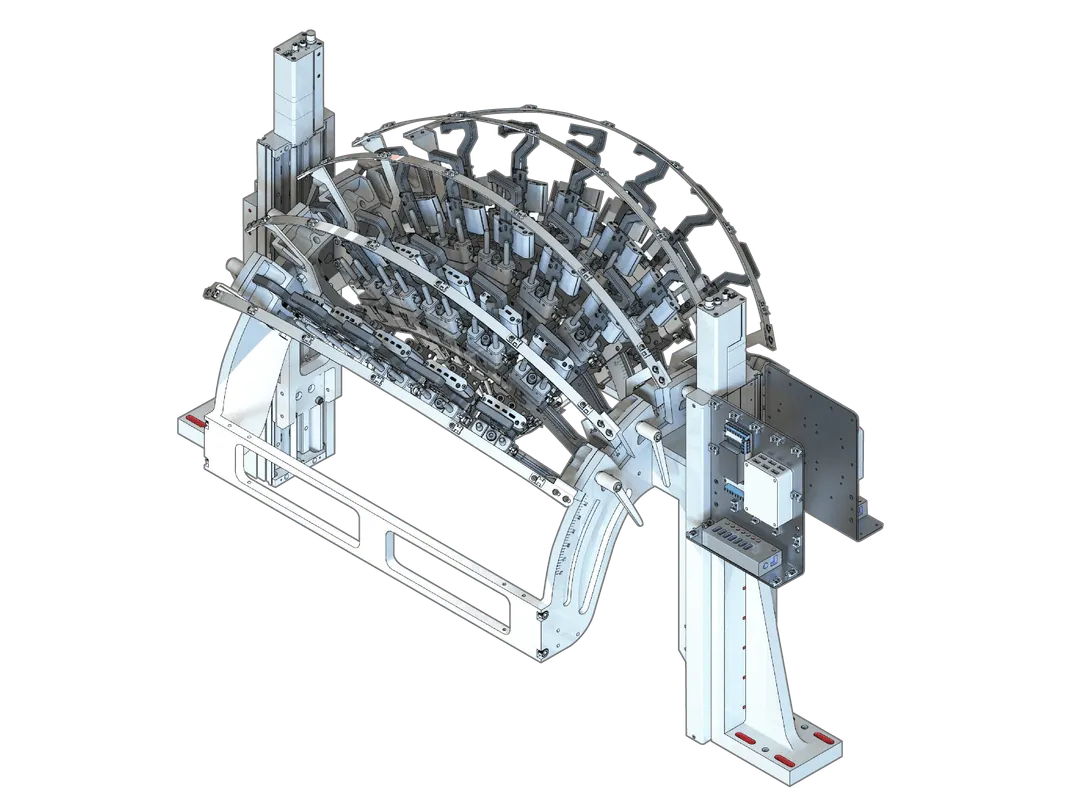
A flexible, scalable extracellular electrophysiology rig
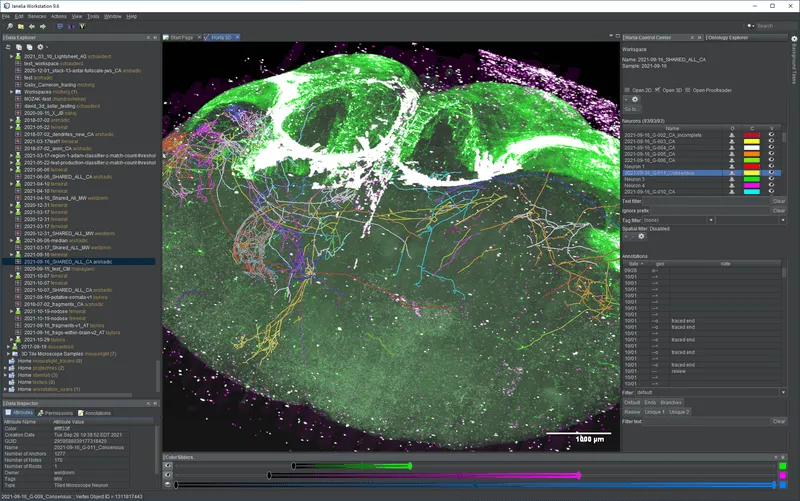
HortaCloud is a streaming 3D annotation platform for large microscopy data that runs entirely in the cloud. It is a free, open source research software tool, developed by Janelia Research Campus. The Allen Institute uses HortaCloud to proofread whole-brain images of neurons collected on various fluorescence microscopy instruments.
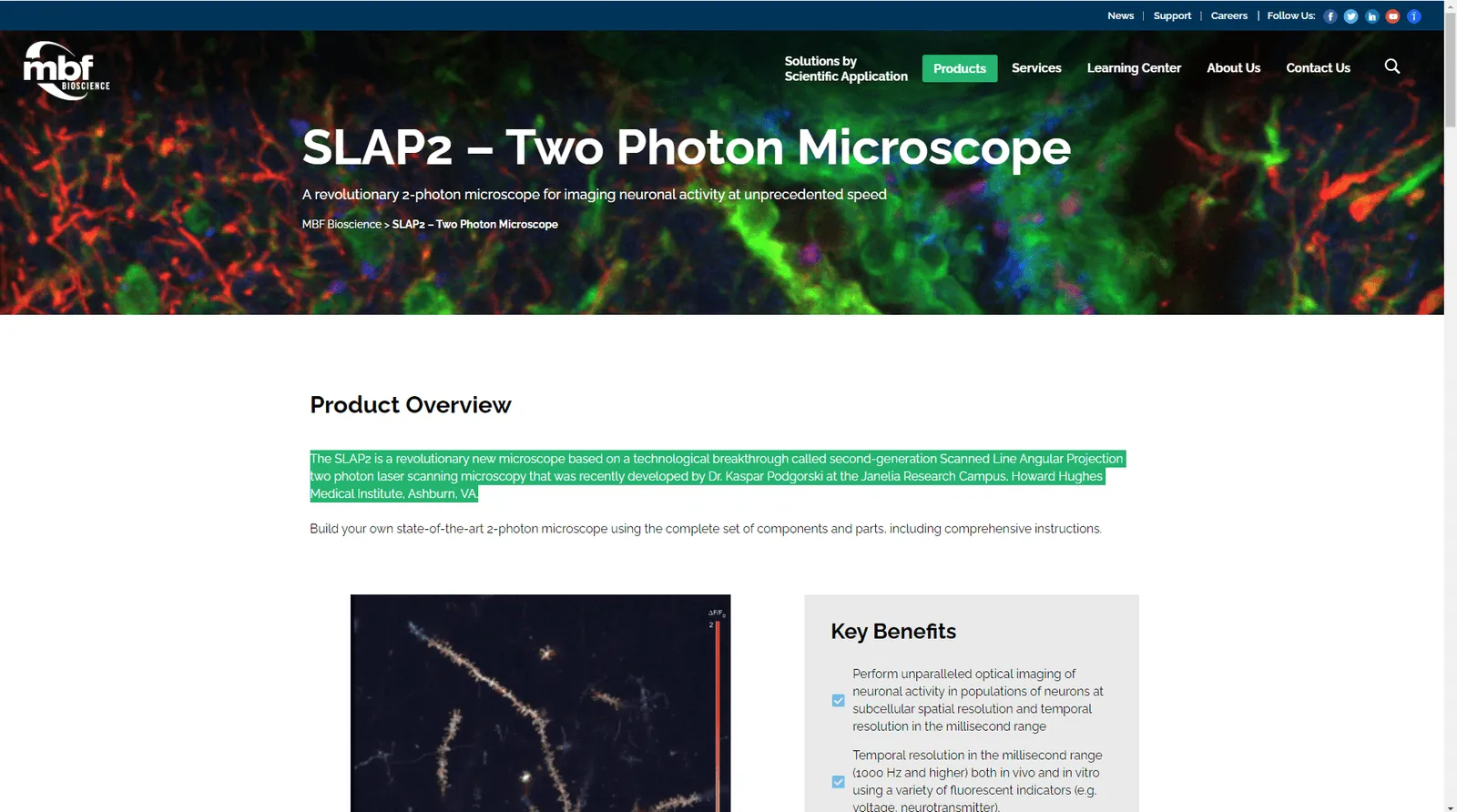
The SLAP2 is a revolutionary new microscope based on a technological breakthrough called second-generation Scanned Line Angular Projection two photon laser scanning microscopy that was recently developed by Dr. Kaspar Podgorski at the Janelia Research Campus, Howard Hughes Medical Institute, Ashburn, VA.
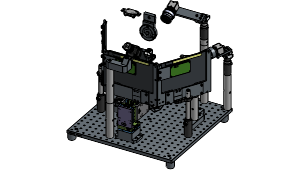
A Behavior platform designed for VR Foraging tasks, supporting multi-modal sensory inputs and integration with the Allen Institute headframe system.

PREPRINT: Using cellular resolution, mesoscale two-photon calcium imaging and multi-Neuropixels recordings in the mouse visual cortex, we identified a sparse subset of neurons in the primary visual cortex (V1) and higher visual areas that respond emergently to illusory contours, which are key tools to study sensory inference.
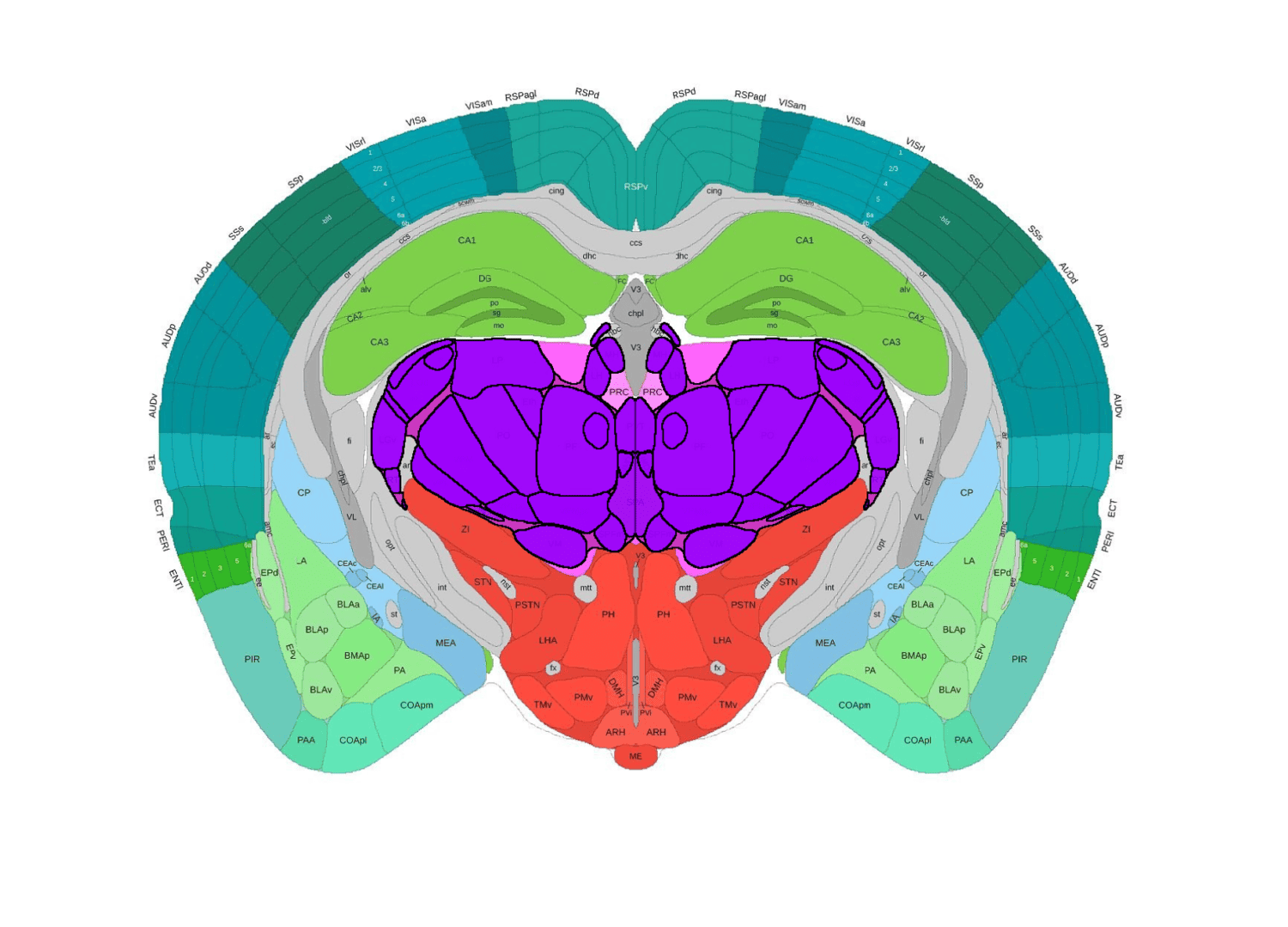
Registration of lightsheet whole brain images to the Allen CCF V3 Atlas

Code Ocean capsule and streamlit app for exploration, analysis, and easy access of thalamus MERFISH data. Jupyter notebooks in code contain walkthroughs of the major functionality, while those in code/figures directly reproduce manuscript figures.
This protocol describes the surgical procedure, instrumentation, and reagents necessary for the installation of a stabilizing headframe and cranial window over the cortex of an adult mouse. This protocol should be utilized for neural imaging and experimentation regarding the mouse cortex.

On this repository you can find documentation of the Harp protocol, what is a Harp device and the Harp Timestamp Bus. The Harp technology was originally thought at Champalimaud Foundation to suppress the lack of efficient binary protocols for scientific hardware communication.

Package for loading and interacting with AIND mesoscale anatomy whole-brain data.

Library for aind mri utilities.
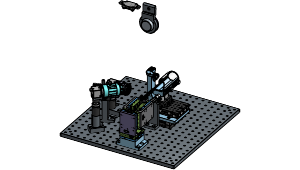
A behavior platform designed for Dynamic Foraging tasks, supporting multi-modal sensory inputs and integration with the Allen Institute headframe system.
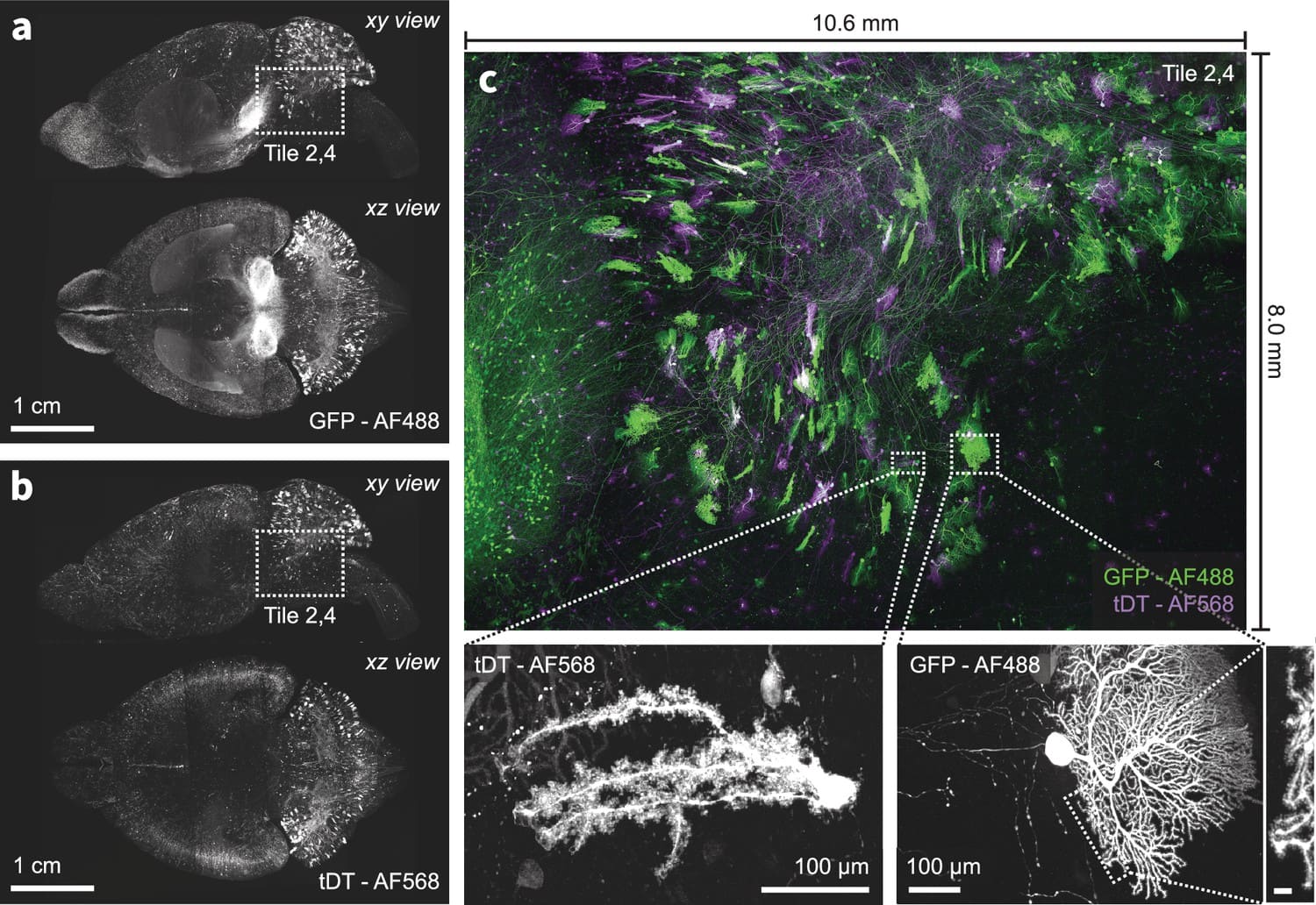
We present a new expansion-assisted selective plane illumination microscope, which, combined with new tissue clearing and expansion methods, the microscope allows imaging centimeter-scale samples with 250×250×750 nm optical resolution (4× expansion), including entire mouse brains, with high contrast and without sectioning.

BARseq is a high throughput in situ transcriptomics method utilizing designed barcodes incorporated in the amplification process for multiplexed gene detection.

Predictive processing theorizes that the brain continuously predicts sensory inputs, refining neuronal responses by minimizing prediction errors. Our collaborative experiments test these mechanisms using mismatch stimuli in mice and primates. The resulting datasets are shared via the OpenScope program and from collaborating laboratories, fostering community analysis and iterative refinement of predictive processing models.
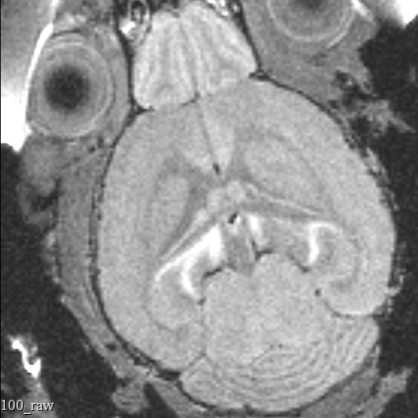
This protocol describes the process of obtaining pre-insertion MRI images using the University of Washington 14T vertical bore Bruker MRI. These structural scans allow for precisely targeting acute electrophysiology recordings in head-fixed mice beyond what is possible using skull landmarks alone.
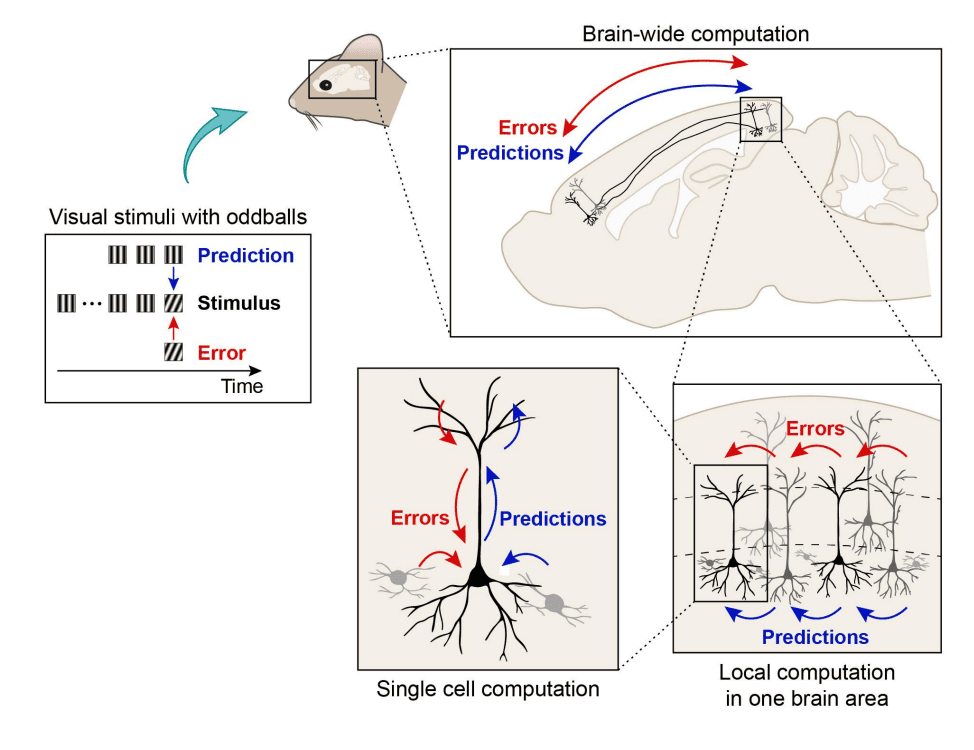
PREPRINT: This review synthesizes advances in predictive processing within the sensory cortex. Predictive processing theorizes that the brain continuously predicts sensory inputs, refining neuronal responses by highlighting prediction errors. We identify key computational primitives, such as stimulus adaptation, dendritic computation, excitatory/inhibitory balance and hierarchical processing, as central to this framework. Our review highlights convergences, such as top-down inputs and inhibitory interneurons shaping mismatch signals, and divergences, including species-specific hierarchies and modality-dependent layer roles. To address these conflicts, we propose experiments in mice and primates using in-vivo two-photon imaging and electrophysiological recordings to test whether temporal, motor, and omission mismatch stimuli engage shared or distinct mechanisms. The resulting dataset, collected and shared via the OpenScope program, will enable model validation and community analysis, fostering iterative refinement and refutability to decode the neural circuits of predictive processing.
The OpenScope program publishes on an annual basis a detailed public report that summarizes all of our activities within the year. These reports highlight all developments of the year: new selected projects, completed projects, publications and technical developments of the platform.
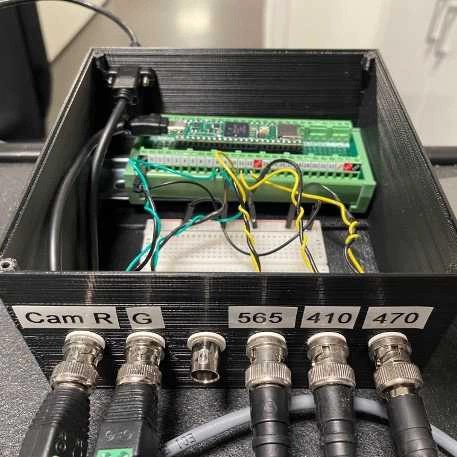
Frame-projected independent fiber photometry (FIP) is a method to measure fluorescent sensor signals through optical fibers implanted in living animals, using a camera to record video of the fiber faces. To precisely control timings of excitation and camera frame acquisition for FIP, and of other external stimulation apparatus (e.g. LEDs for photo-stimulation), we use a Teensy 4.1 microcontroller, which generates voltage pulses without relying on continuous communication with the operating system of the experimental computer for timing. This protocol is for the 3 excitation LED + 2 collection CMOS cameras design.

A library for managing data contracts and quality control in behavioral datasets.

This protocol describes the steps for preparing 20X stock and experimental solution of Lipopolysaccharide (LPS) intended for intraperitoneal injections in mice at a concentration of 0.25 mg/mL.

This protocol describes Vascular Access Button (VAB) catheter blood collection intended for later assessment of immune responses across time to different IP injected substances in awake mice. This protocol is preceded by “Mouse Catheter Maintenance” protocol.

This protocol describes blood preparation steps required for analysis of cytokines using an Olink assay. This protocol is applied to samples collected during the protocol 'Temporal Assessment of Immune Response.'

This protocol describes how to perform catheter maintenance to preserve mouse catheter patency after Vascular Access Button (VAB) implant.

This is a step-by-step protocol to build a modified FIP (Frame-projected Independent Fiber Photometry) system. FIP was first implemented and reported by Kim et al. (2016). Their protocol is available here.
We have modified the previous design so that it can be built primarily with Thorlabs products (some products from other manufacturers are still required), which are off-the-shelf and easy to obtain with a reasonable lead time. The system described in this protocol is designed to record signals from 1) GFP-based sensors, 2) mApple-based sensors, and 3) isosbestic signals from up to 4-9 sites depending on fiber bundle selection (Fig. 1 and 2). When applied to measurements of other fluorescent protein-based sensors or spectrally shifted sensors, the selection of optical filters and/or excitation light sources should be modified accordingly. Also, the selection of the fiber patch-cable should be based on the number of simultaneously recorded sites and the diameter/NA of the fiber implants.

This protocol describes the surgical procedure, instrumentation, and reagents necessary for performing stereotactic injections and securing a headframe to an adult mouse brain for in-vivo recording procedures.

PREPRINT: Identifying the input-output operations of neurons requires measurements of synaptic transmission simultaneously at many of a neuron’s thousands of inputs in the intact brain. To facilitate this goal, we engineered and screened 3365 variants of the fluorescent protein glutamate indicator iGluSnFR3 in neuron culture, and selected variants in the mouse visual cortex. Two variants have high sensitivity, fast activation (< 2 ms) and deactivation times tailored for recording large populations of synapses (iGluSnFR4s, 153 ms) or rapid dynamics (iGluSnFR4f, 26 ms). By imaging action-potential evoked signals on axons and visually-evoked signals on dendritic spines, we show that iGluSnFR4s/4f primarily detect local synaptic glutamate with single-vesicle sensitivity. The indicators detect a wide range of naturalistic synaptic transmission, including in the vibrissal cortex layer 4 and in hippocampal CA1 dendrites. iGluSnFR4 increases the sensitivity and scale (4s) or speed (4f) of tracking information flow in neural networks in vivo.
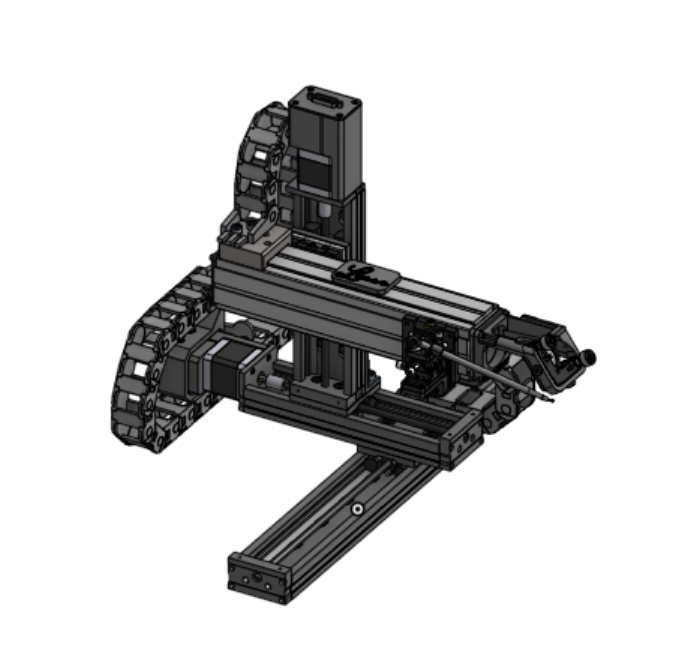
XYZ sample collection platform with loop collection and integrated optical system
Microtome with slice thickness control and cutting actuation realized by high-precision linear stages
Adaptive and coordinated behavior requires that an animal be able to make predictions about the near and even far future. This intuition that some neural computations should be ‘predictive’ in their character has a long history, starting with ideas about how the receptive field structure of retinal ganglion cells relate to the statistics of natural visual scenes. Ideas about predictive computation have been most influential in thinking about the function of the neocortex. Here, the relatively stereotyped local circuitry of the neocortex has long led to speculation that each local circuit might be carrying out a somewhat similar, fundamental computation on its specific inputs. In addition, the organization of sensory-motor pathways into hierarchies (e.g., V1, V2, V4, IT in the ventral visual stream) with stereotyped feedforward and feedback connections has motivated ideas about hierarchical predictive codes, where higher levels of the hierarchy send predictions down to the lower level that then compares its inputs against the predictions and only send the surprises up the hierarchy (such as in the work of Mumford, Rao & Ballard, and Friston). Despite the wide influence of ideas about predictive coding, there is relatively little experimental evidence that such computations occur in multiple cortical areas, perhaps serving as a ‘canonical computation’ of the neocortical microcircuit. Our experimental design is based on a Sequence Learning Experiment, in which head-fixed mice passively view sequences of three different natural movie clips (labeled ‘A’, ‘B’, ‘C’), each having a duration of 2 seconds. We begin with one recording session (day #0), where the movie clips are presented in random order along with a 2 second grey screen (labeled ‘X’). Each stimulus occurs a total of 525 times, allowing a thorough characterization of neural responses before any sequence learning has occurred. Next, there are 3 recording sessions where the three movie clips are presented in a repeating temporal sequence, ABCABC…, for 500 times, in order to train the mouse’s brain. This training allows the mouse to potentially use the identity of the current movie clip predict the next movie clip. In addition, each sequence training session includes a period of random-order presentation, in order to assess changes in neural tuning during sequence learning. Finally, our last session (day #4) had stimuli presented in random order, allowing us to test more thoroughly how responses changed due to sequence learning.
Our design uses 2-photon microscopy with eight simultaneously recorded fields-of-view. The fields-of-view will include both layer 2/3 and layer 4 as well as from multiple cortical areas: V1 (VISp), LM (VISl), AM (VISam), and PM (VISpm). The experiment used the Cux2-CreERTS2:Camk2a-tTa; Ai93(TITL-GCaMP6f) mouse line, which has expression in excitatory neurons of both layer 4 and 2/3.
Some visual neurons have been shown to respond to white noise flicker visual stimuli with high temporal precision, particularly retinal ganglion cells and LGN relay cells. Responses to white noise stimulation are useful for a variety of analyses, including information theoretic measures and generative models of precise spike timing. However the literature was lacking data on responses to white noise in cortical visual areas, or in the visual stream flowing through the superior colliculus.
This experiment used the OpenScope Neuropixels passive viewing protocol, and displayed visual stimuli modulated in time by a short, repeated white noise sequence. The visual stimulus was either a spatially uniform field whose luminance was modulated in time (Full Field Flicker), or a standing sinusoidal grating whose contrast was modulated in time (Static Gratings). Perhaps surprisingly, most cortical visual neurons responded well to full-field flicker white noise. To obtain large populations of neurons in subcortical areas, roughly half of the mice were recorded in a novel electrode configuration.
When white noise visual stimuli are presented repeatedly and the neural responses displayed as spike rasters, the rasters look remarkably like UPC codes or bar codes. The same bar-code-like patterns have been found in neurons recorded in different individual animals, and even neurons in different species. We speculated that these barcodes could be used as identifiers of discrete cell types. The Temporal Barcode Dataset provides "barcodes" for visually responsive neurons throughout the mouse brain, enabling a test of this hypothesis.
A reproducible system neuroscience notebook collection to facilitate data sharing and collaborative reuse with open science datasets

PREPRINT: Here, we evaluate the ability of the recently developed calcium indicator GCaMP8 to reveal neuronal spiking, and we investigate how existing spike inference methods (CASCADE, OASIS, MLSpike) should be adapted for optimal performance.
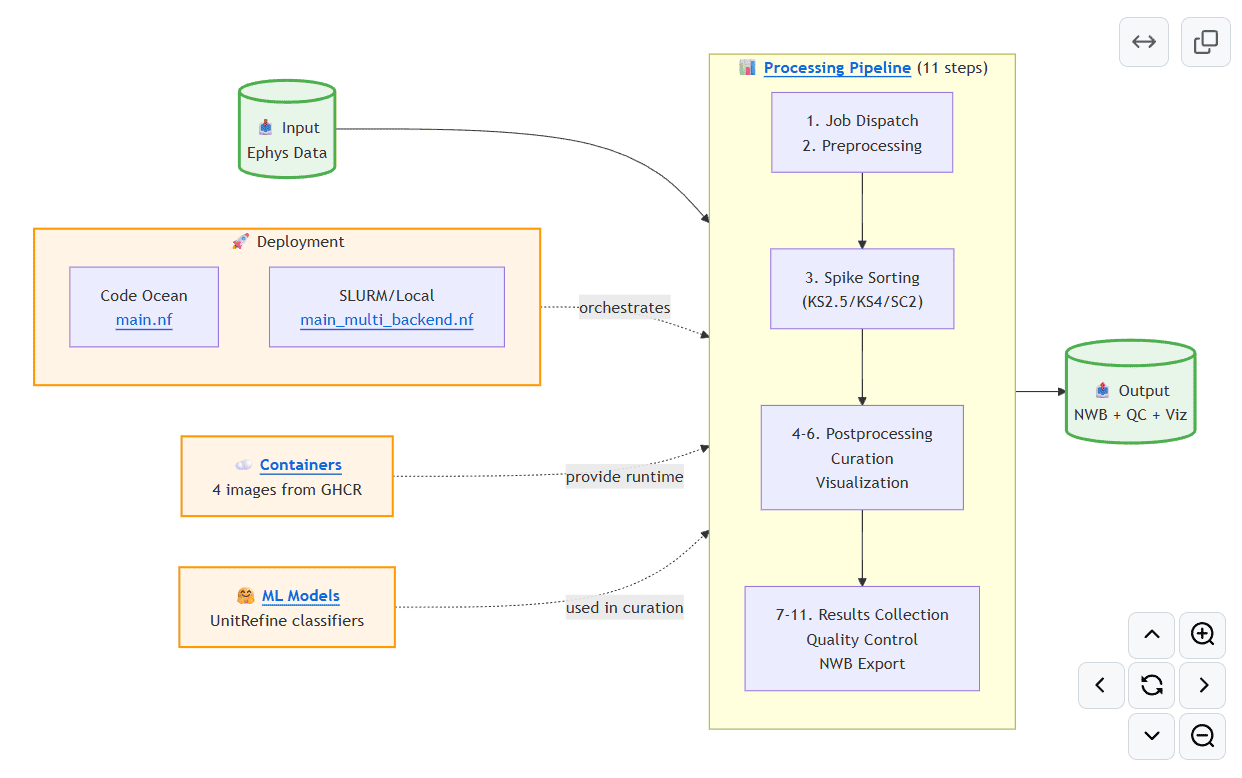
AIND pipeline for processing extracellular electrophysiology data
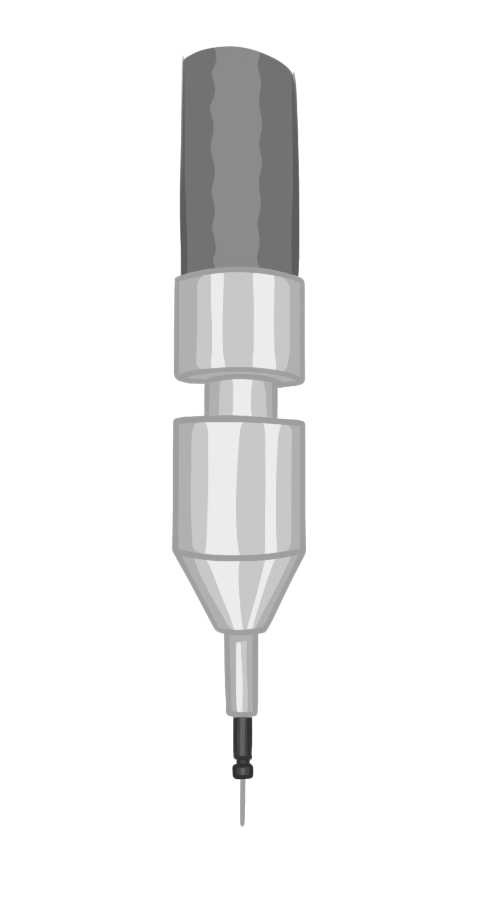
This protocol describes the surgical procedure, instrumentation, and reagents necessary for implanting optic fiber probes involving injection(s) and headpost into an adult mouse brain for in-vivo fiber photometry and/or optogenetic manipulation procedures.
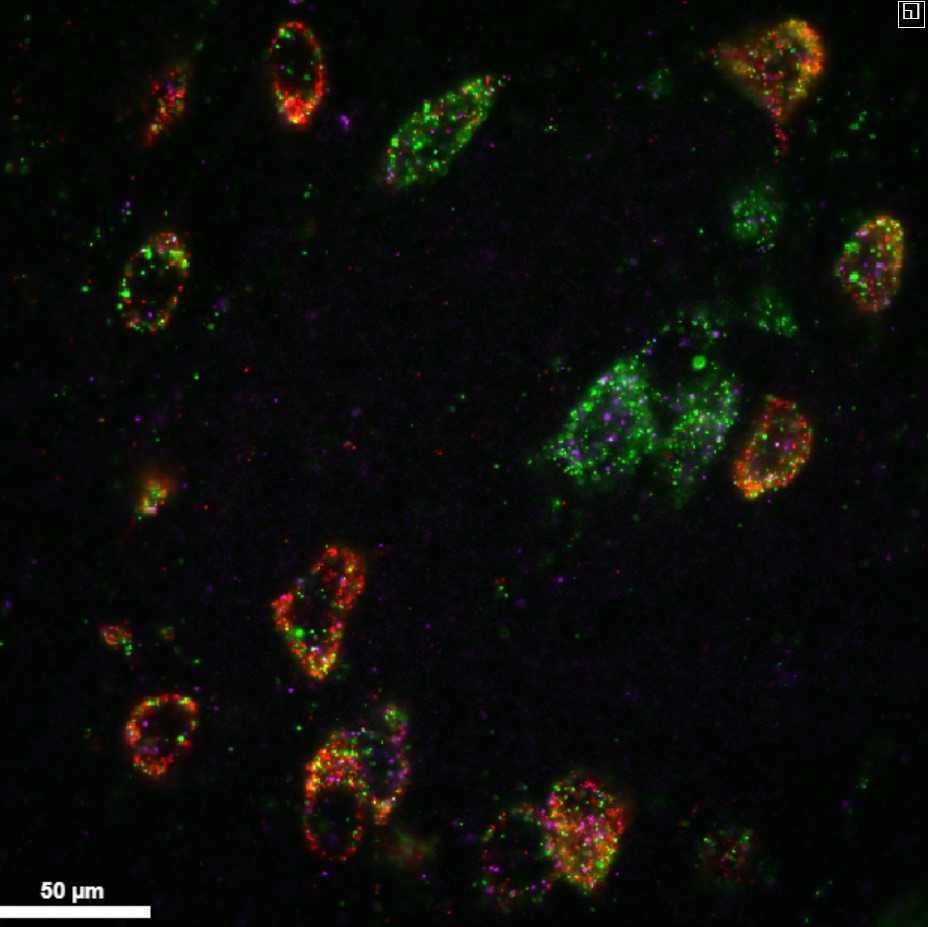
This protocol describes a method that utilizes expansion microscopy to perform multiple rounds of multiplexed fluorescent in situ hybridization (mFISH) on thick slices of brain tissue.
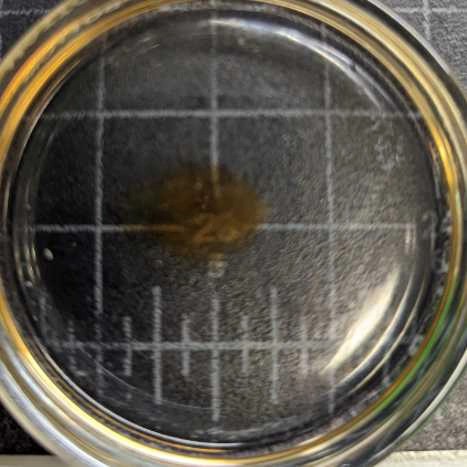
This protocol is modified from the Index Matching protocol found in the LifeCanvas Technologies Full Active Pipeline Protocol.

This protocol details index matching for delipidated whole mouse brain samples in ethyl cinnamate solution to prepare for lightsheet imaging.
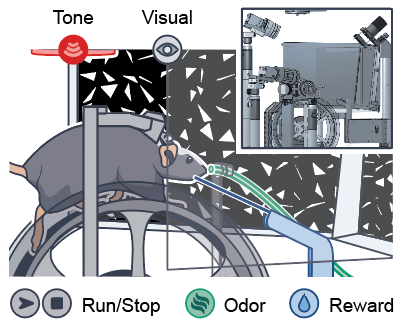
Foraging is an innate yet flexible behavior, and finding food and water is one of the oldest problems an animal has to solve. Because successful foraging is shaped by evolution, and because well-developed theories describe what an optimal forager should do, foraging offers a rich yet tractable framework for studying how the brain makes adaptive decisions.


We study the biological mechanisms that enable animals to learn the structure of their world through free exploration. To do this, we collect long-term, uninterrupted records of the natural behavior, brain activity, and network connectivity of mice while they repeatedly interact with odors in their environment.

We are developing and using genetic, electrophysiological, optical, and behavioral approaches to investigate how the brain adaptively controls behavior. The team focuses on understanding the descending circuits that control the execution of actions and how they change when actions are reinforced and refined.
