Data Science
Platform
We have developed a cloud-based data science platform to support collaboration around multi-modal data in flexible experimental contexts. We make our data, software tools, and protocols open, following FAIR principles.
Our goal is to make the entire workflow of our science open and accessible. This means that we maintain the provenance of our data as it is collected, processed, analyzed, and published. We store both raw and derived assets in our open bucket in the AWS Open Data Registry. Additionally, our software code is shared in public repositories on Github. You can learn more about our data policies and practices in our documentation.
At mature stages (e.g. publication), curated data is also moved into community repositories, including the DANDI Archive, BIL, and NeMo. These BRAIN Initiative archives enable our data to be located alongside those of other scientists in the community.
We organize and store our data using community-based data standards. Standardized data formats enable the creation of a shared toolchains and facilitates using data across projects and teams, both within and outside our organization. Further, we participate in the community efforts around the data standard definitions and tool development for data analysis and visualization. We use NWB for physiology and behavior data and OME-Zarr for light sheet imaging data. For all data, the Zarr backend improves computing performance in the cloud.
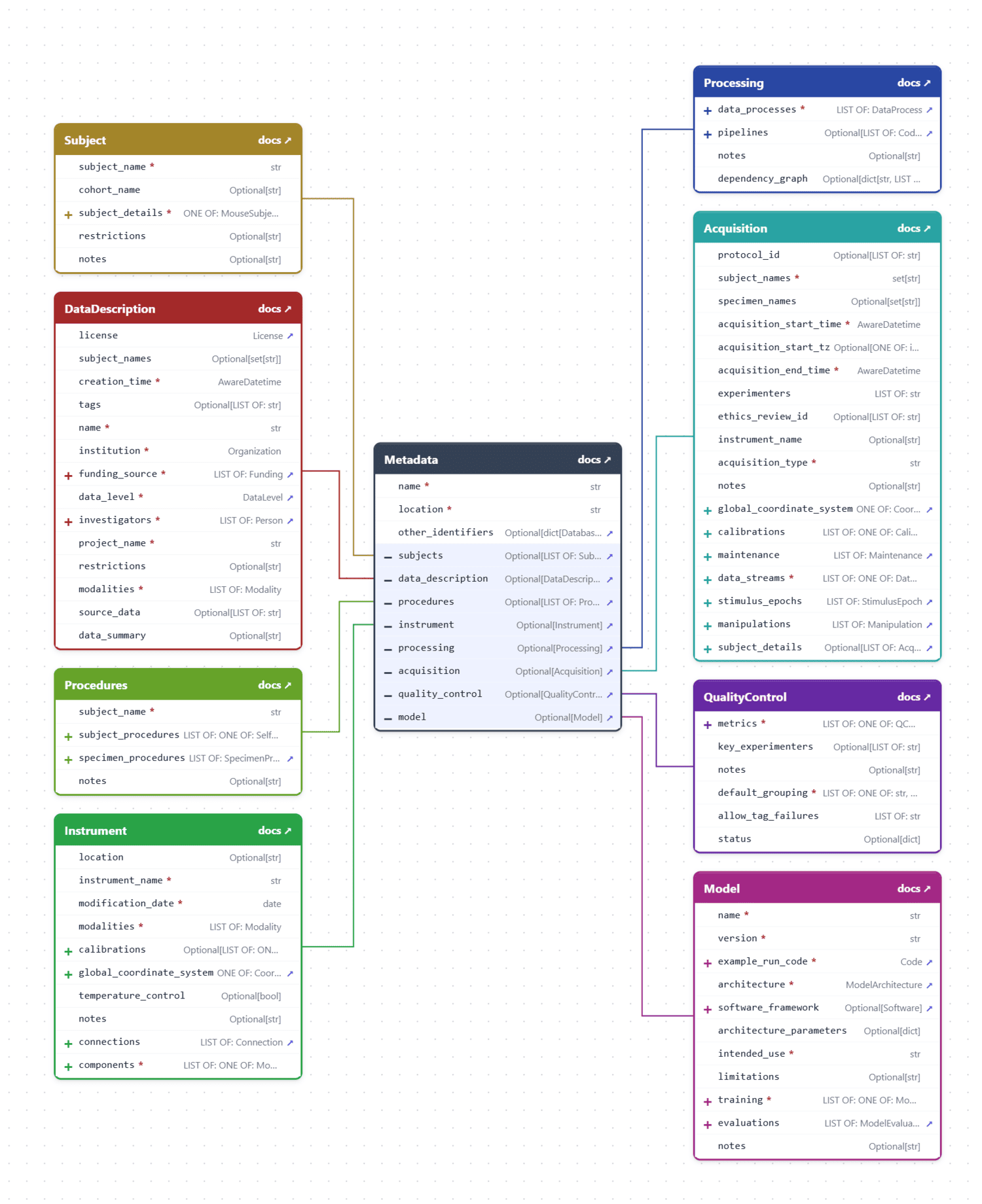
One of the key pillars of open science is having rich metadata to document how data was collected and processed. We have developed the biodata schema to supports all modalities used in our experiments, including electrophysiology, optical physiology, behavior, light sheet imaging, transcriptomics, and more. This schema documents the subjects and specimens used in experiments, any procedures performed prior to data collection, how data was acquired, and how that data is subsequently processed. Additionally, quality control evaluations enable annotation of the quality of each modality independently, communicating the usability of the data to downstream users. These metadata records live alongside data assets as JSON files in our open bucket, and additionally create a database that can be explored and queried to identify relevant data.
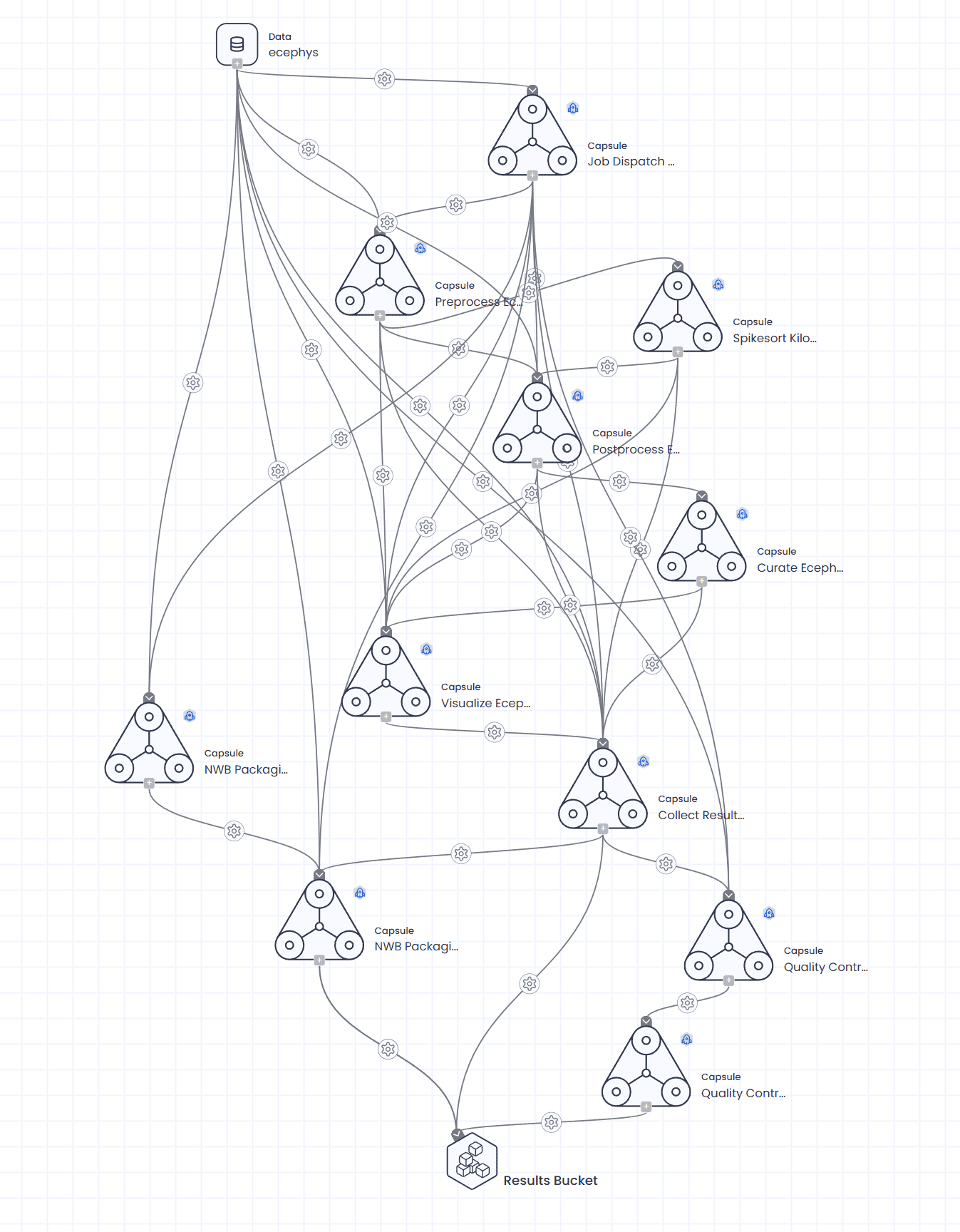
To assure that software tools are reliable, yielding reproducible results for all users, we leverage containerized computing tools. We use Code Ocean, a cloud-based data analytics platform, to develop containerized capsules that tether environment, data, and code to yield reproducible results. Our data processing pipelines, such as our spike sorting and whole-brain imaging pipelines, are created using Nextflow scripts that chain together distinct containerized steps that allow the environment and compute to be customized for each step. These pipelines are portable and can be used with a variety of compute environments, including local machines or HPCs. We use the same containerization for downstream analysis work, and share capsules alongside publications that reproduce the analyses for that work.
We have developed a cloud-based data science platform to support collaboration around multi-modal data in flexible experimental contexts. We make our data, software tools, and protocols open, following FAIR principles.
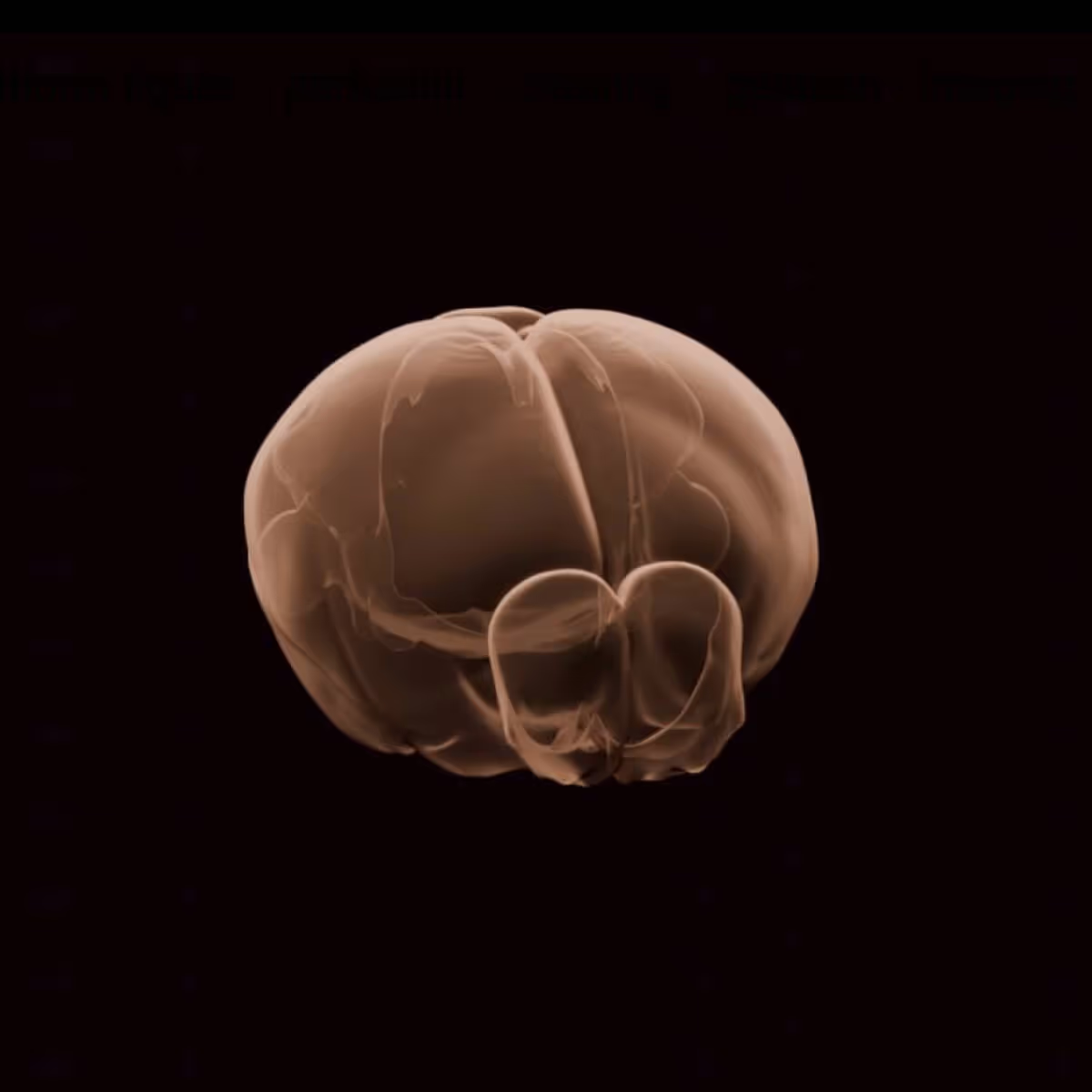
This platform builds on turn-key lightsheet microscopes to image mouse brains at high resolution and throughput. Analysis of the resulting volumetric images, including registration to standard brain coordinates and segmentation and counting of individual neurons, is fully automated.
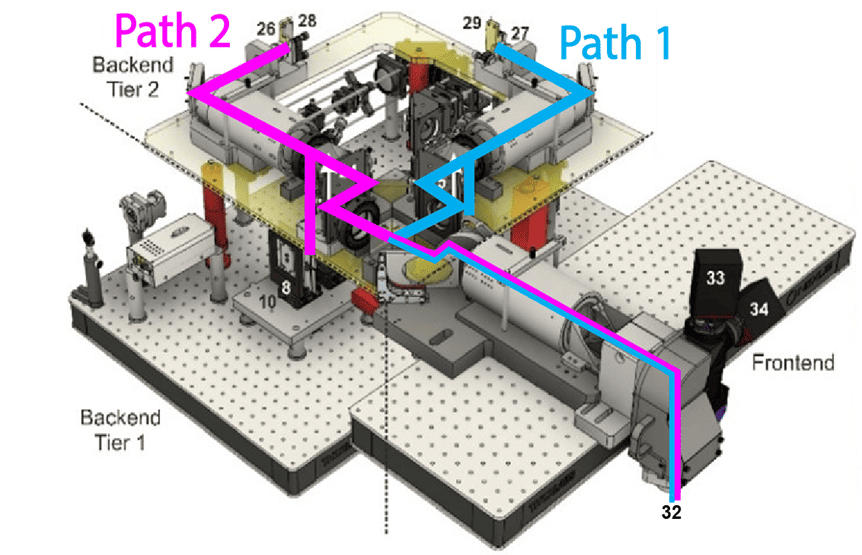
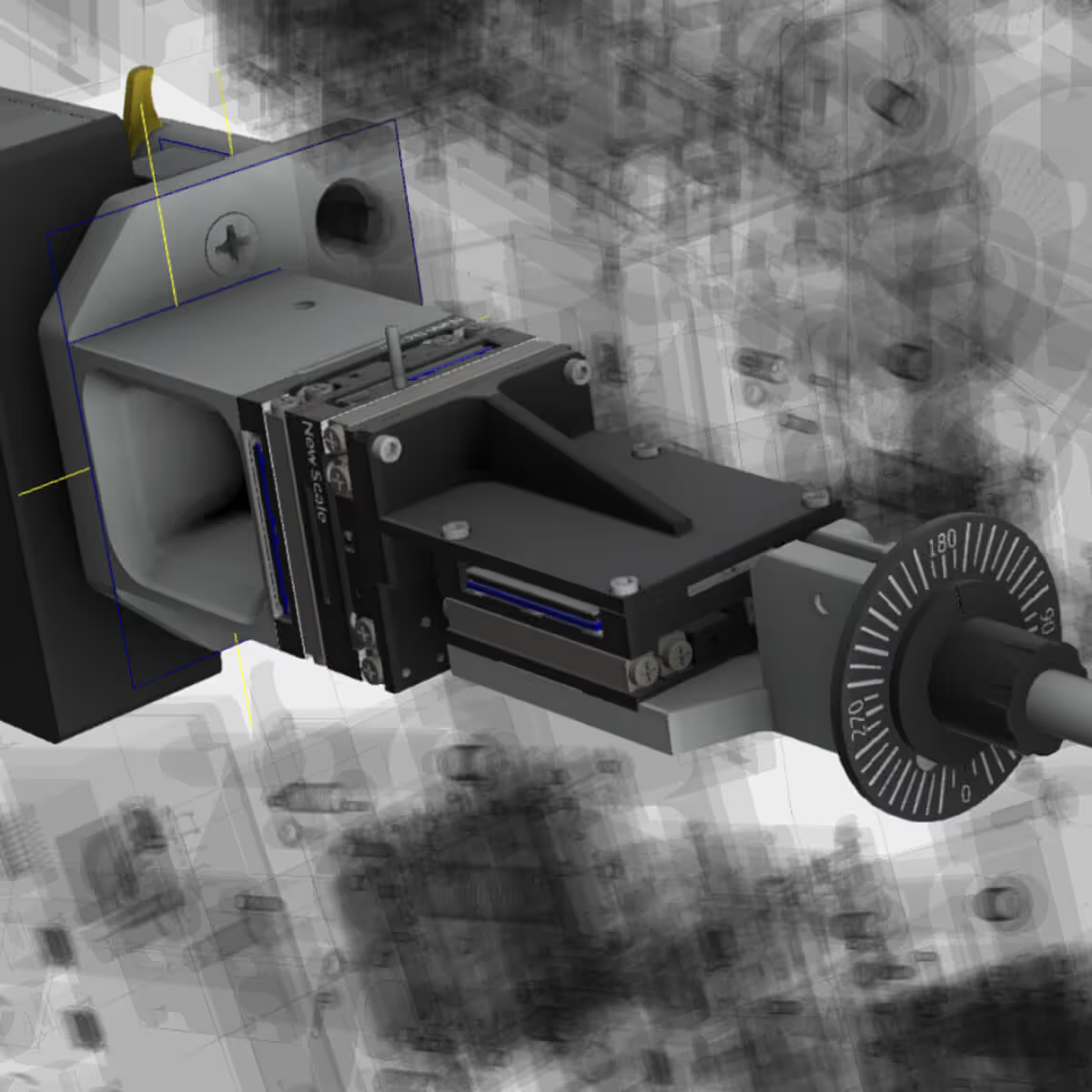
This platform uses a 2-photon microscope SLAP2 that records patterns of synaptic input and output in individual neurons at hundreds to thousands of frames per second in mice performing complex behaviors, using a flexible scan system that combines a digital micromirror device (DMD) with a high-speed scanner.
The Scientific Instrumentation and Process Engineering (SIPE) team is a shared engineering resource within the Allen Institute, focused on enabling and scaling cutting-edge bioscience through integrated hardware and software systems.
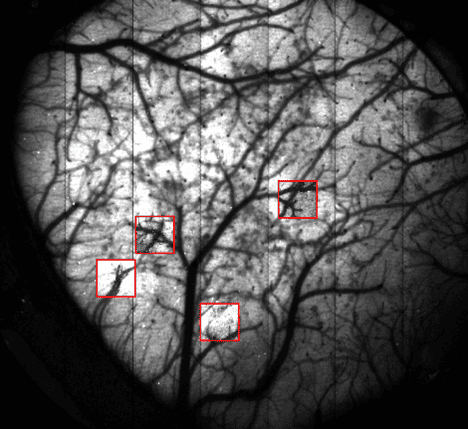
The Population Calcium Imaging platform measures changes in neural dynamics over long time scales as animals learn and behave.
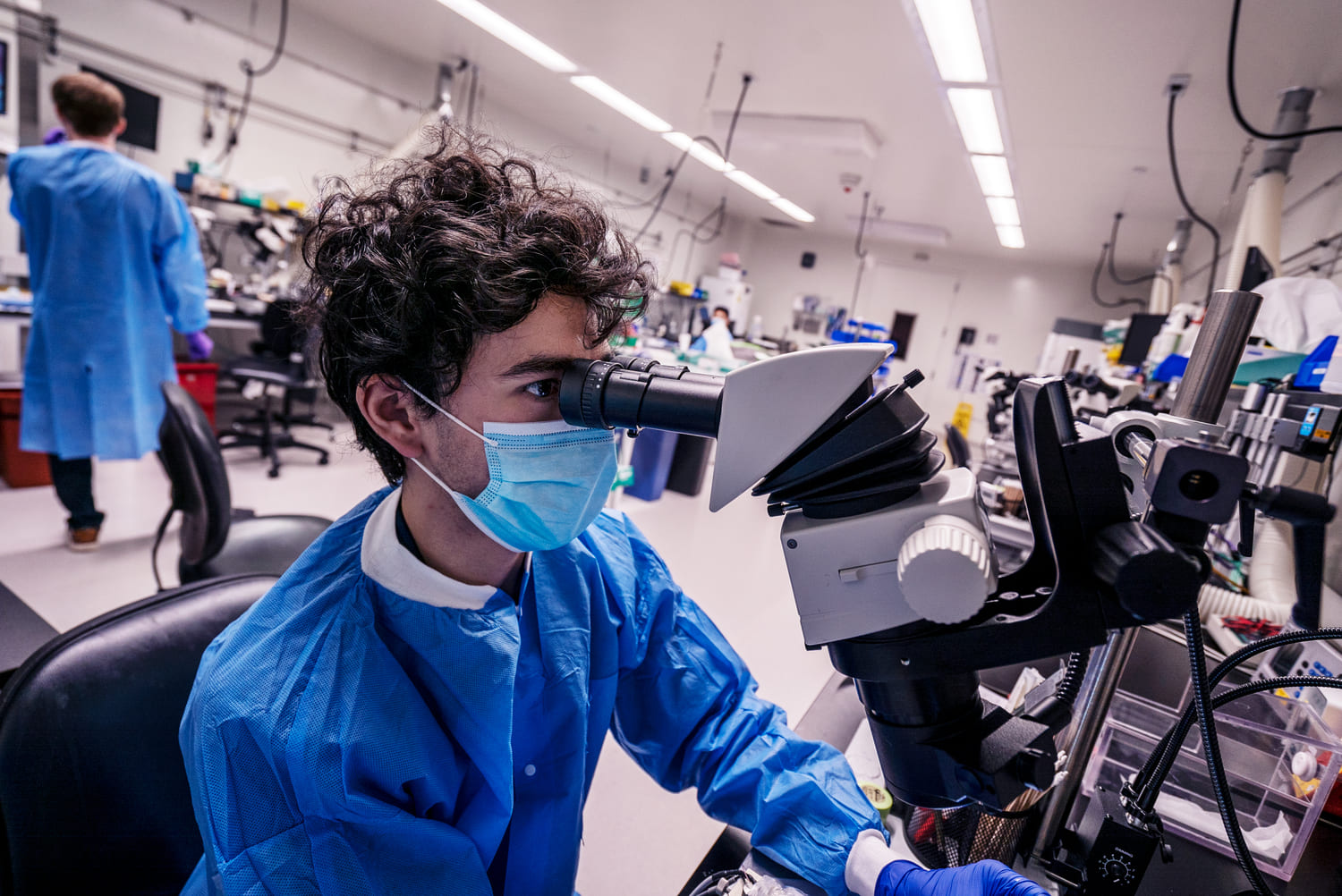
This team performs a variety of surgical procedures, including stereotaxic injections and implanting chronic cranial windows and Neuropixels probes.
This platform implements pioneering technology for highly reproducible, targeted, brain-wide, cell-type-specific electrophysiology to record neural activity from defined neuron types across the brain. Analysis and quality control of the electrophysiology data are fully automated.
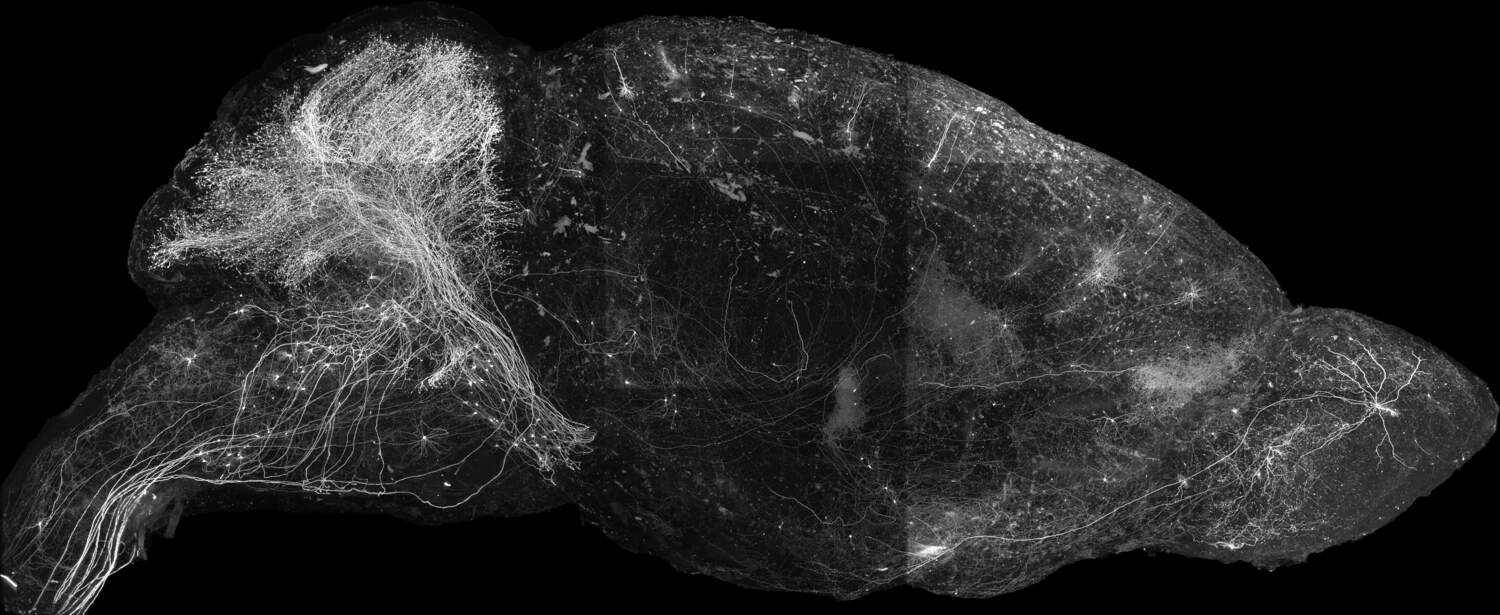
This platform combines innovative histology, ExA-SPIM microscopy, image handling, and machine learning to map the morphology and molecular identity of individual neurons across the whole brain at high throughput.
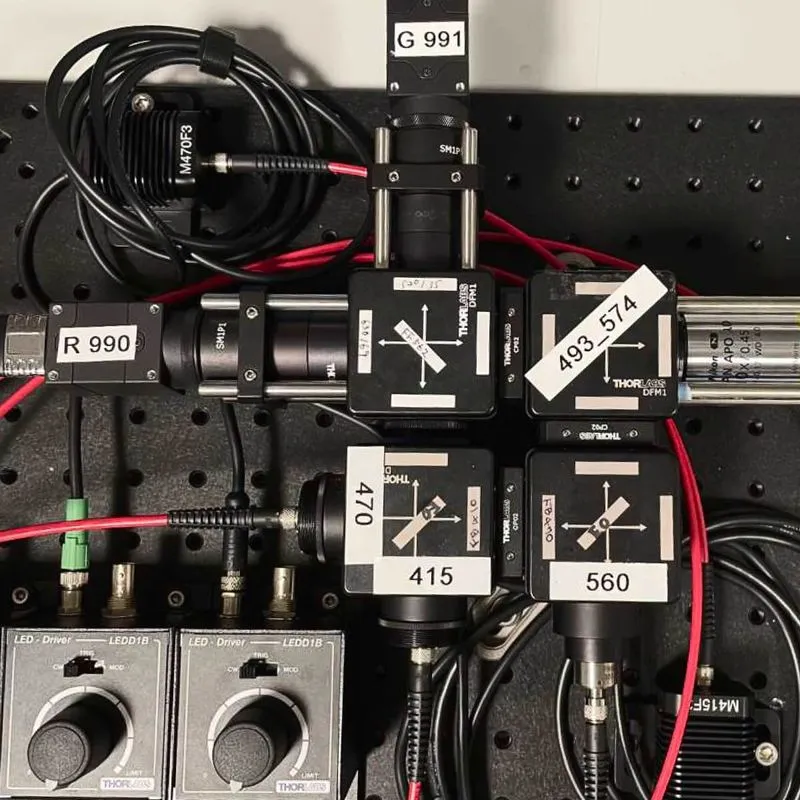
This platform enables optical measurement of neural activity and neurotransmitter release in populations of neurons to study neural circuit dynamics in behaving animals.
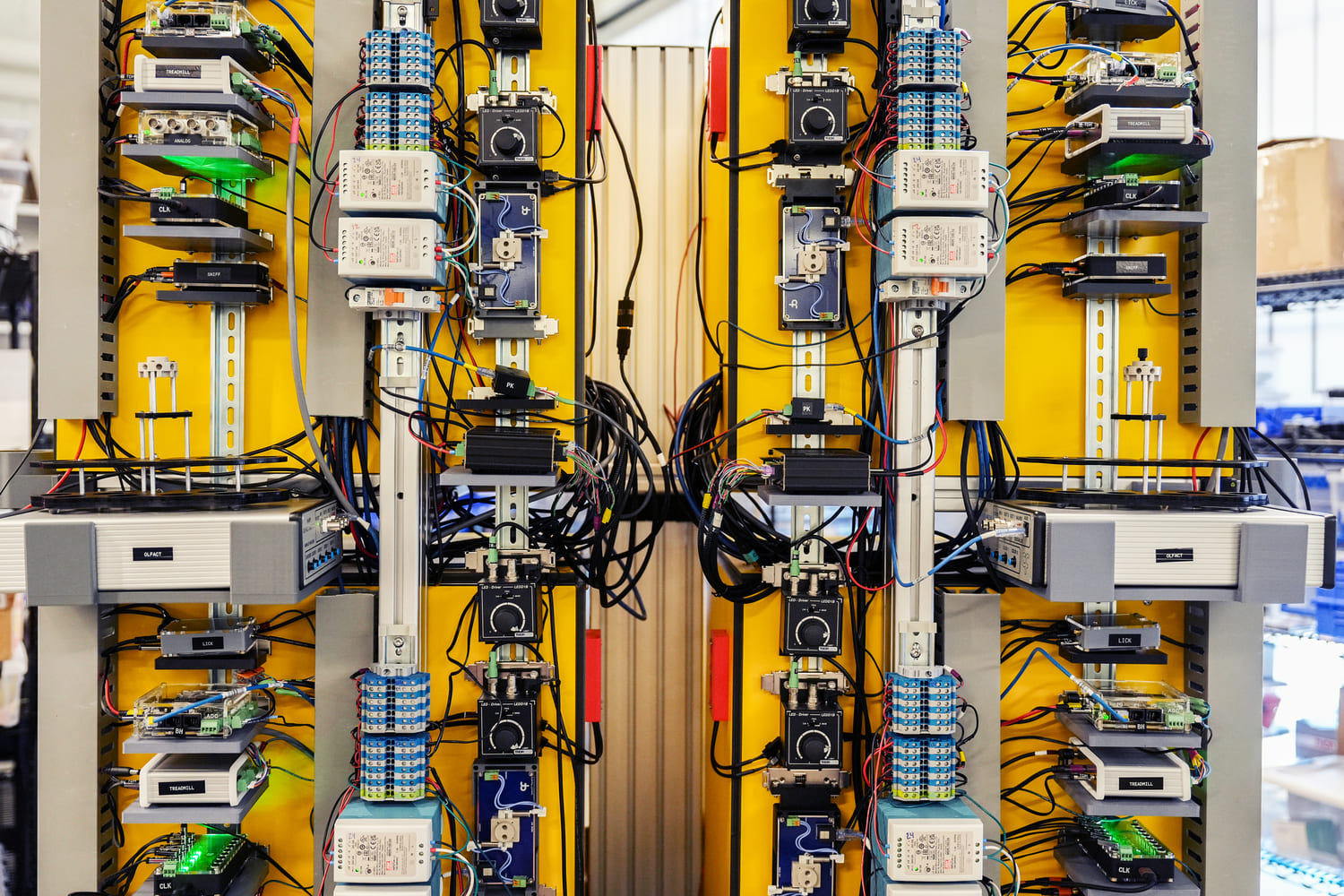
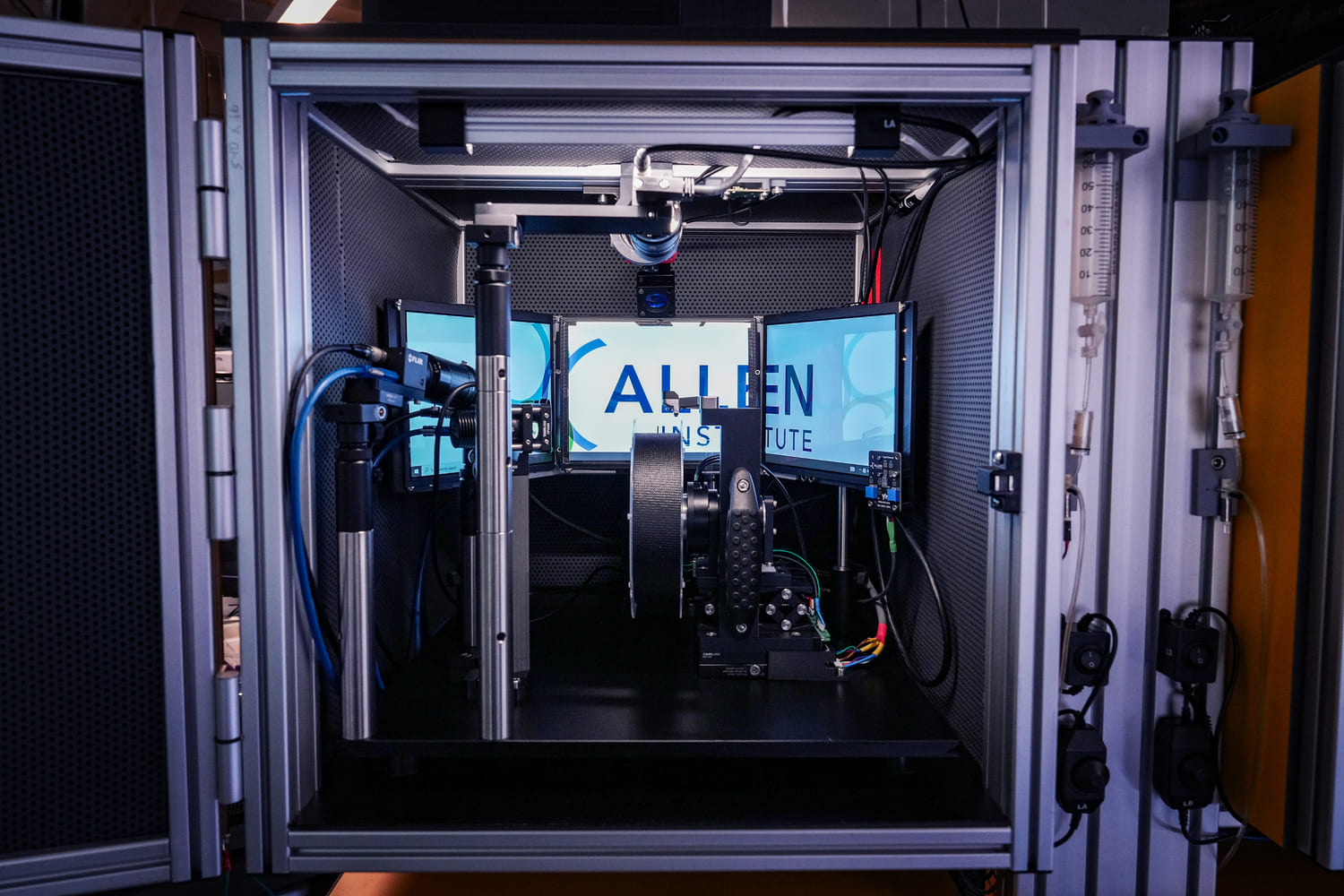
The Behavior platform uses advanced technology to implement a standardized, modular, multi-task virtual reality gymnasium for mice, with the goal to study brain function across different behaviors at scale.